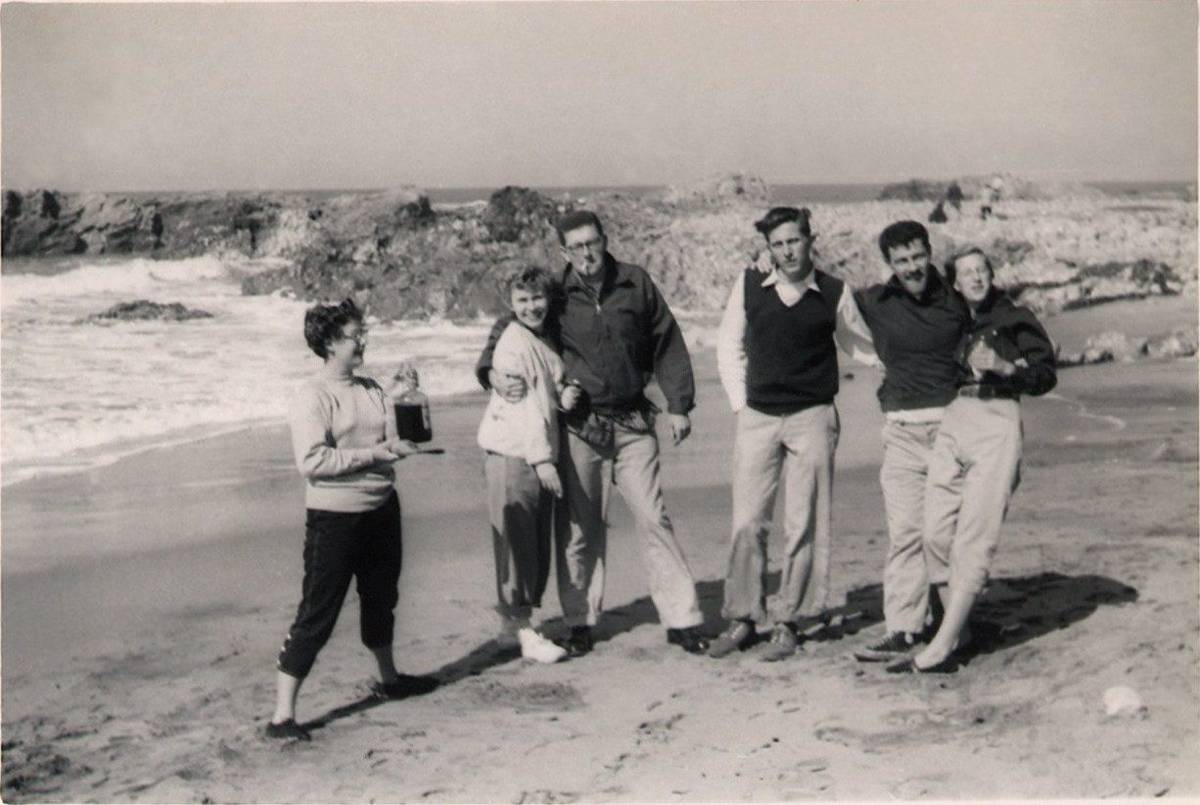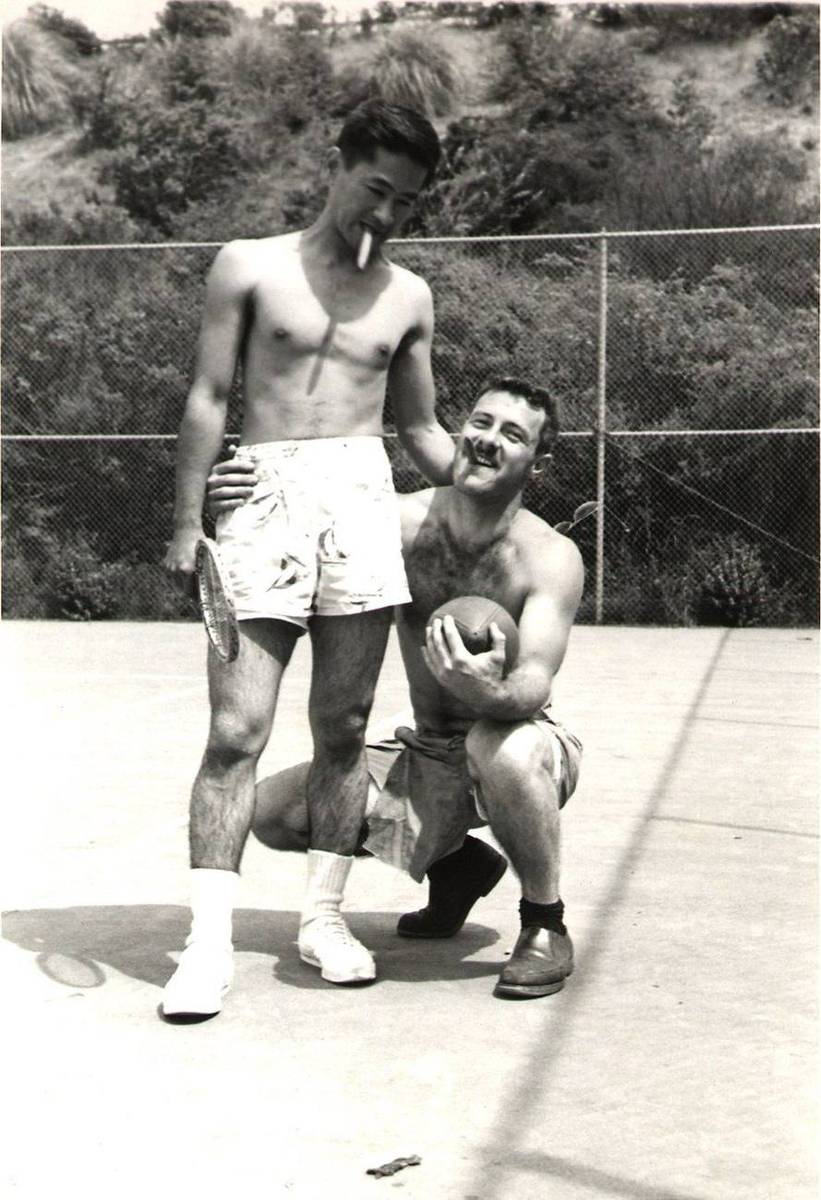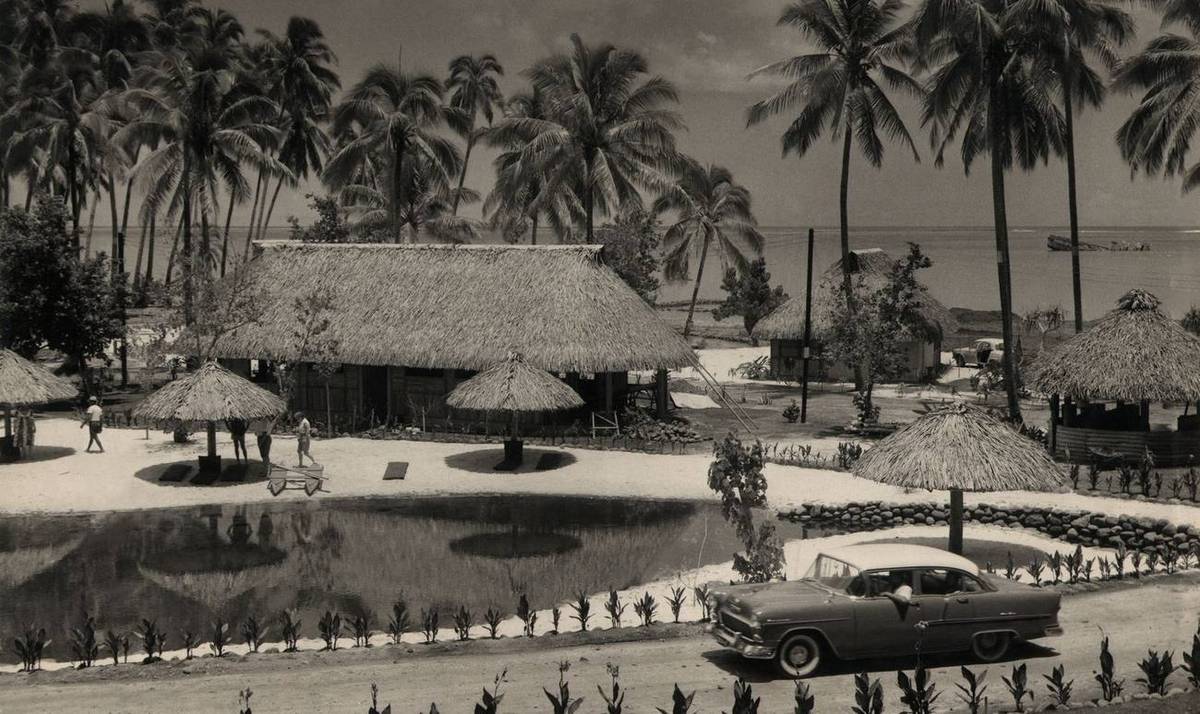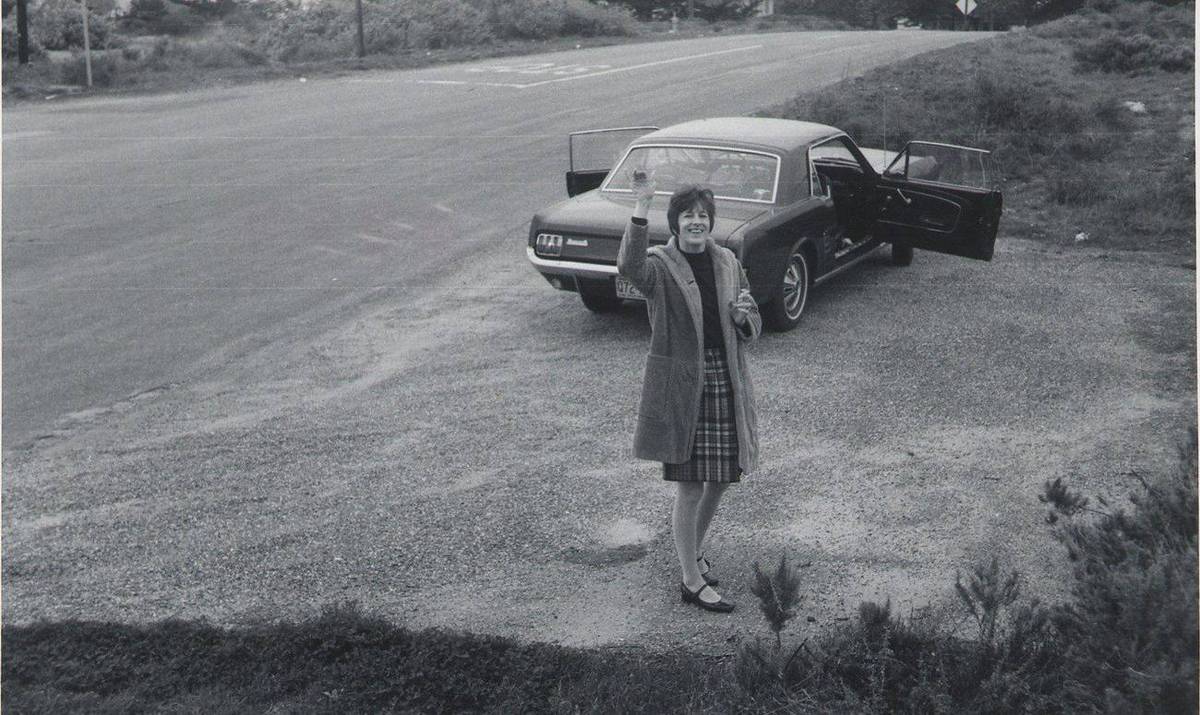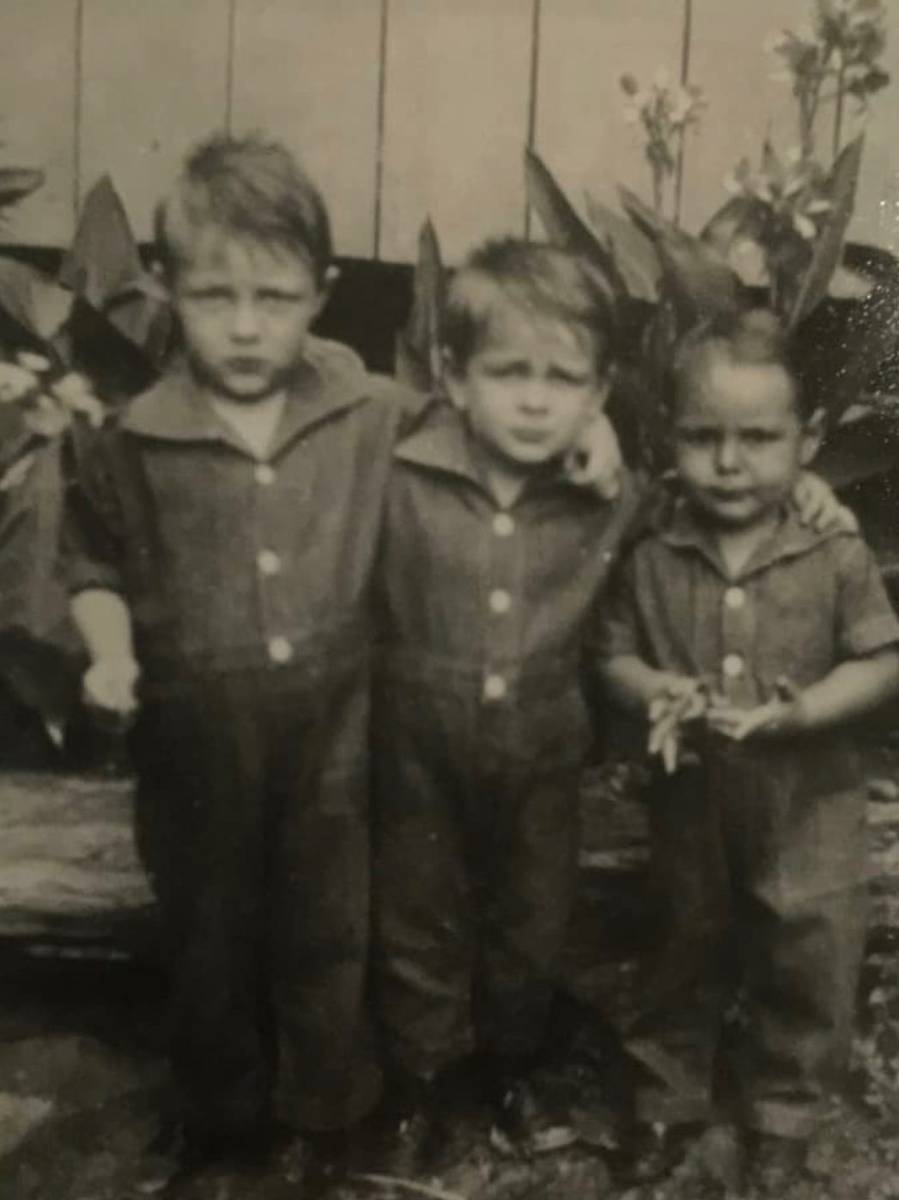
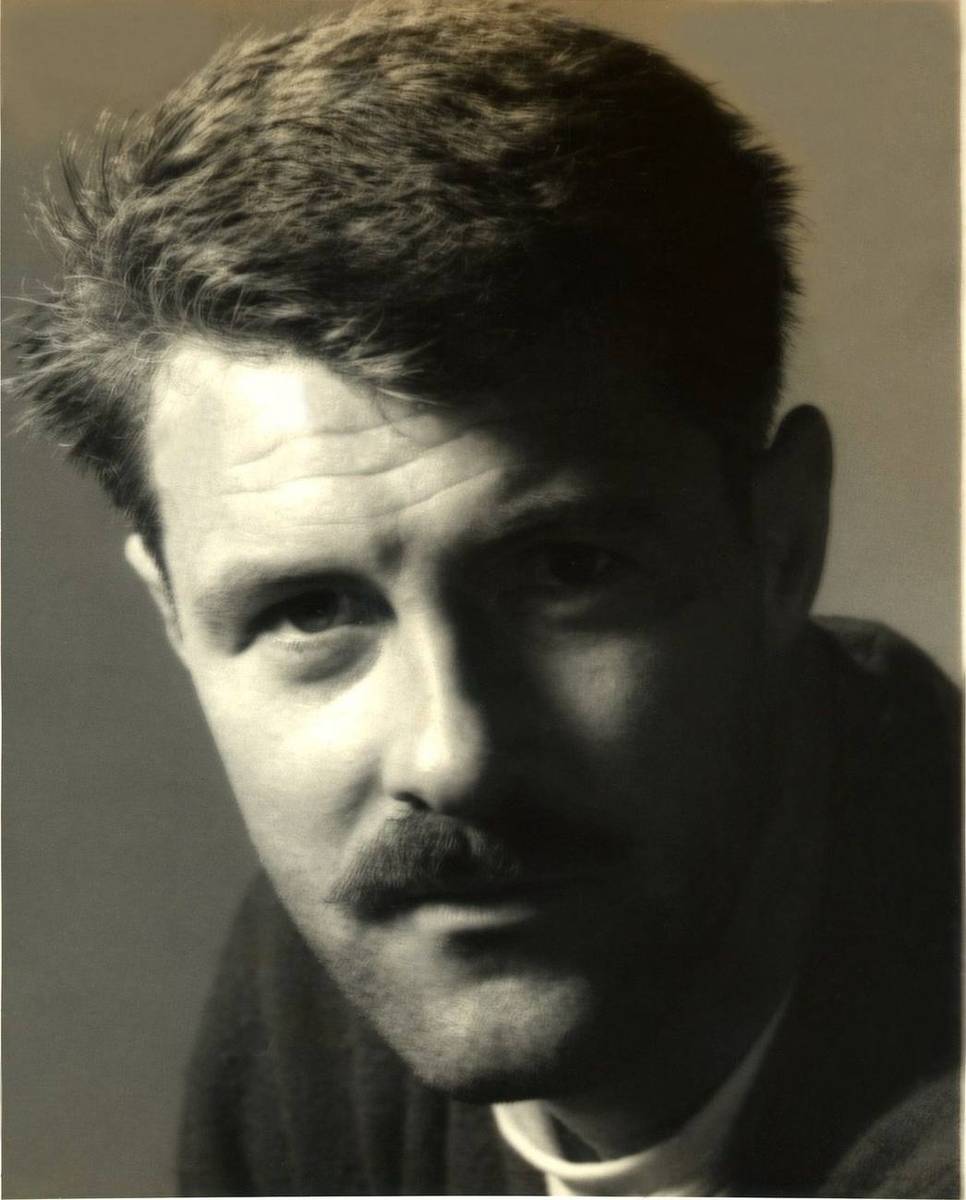
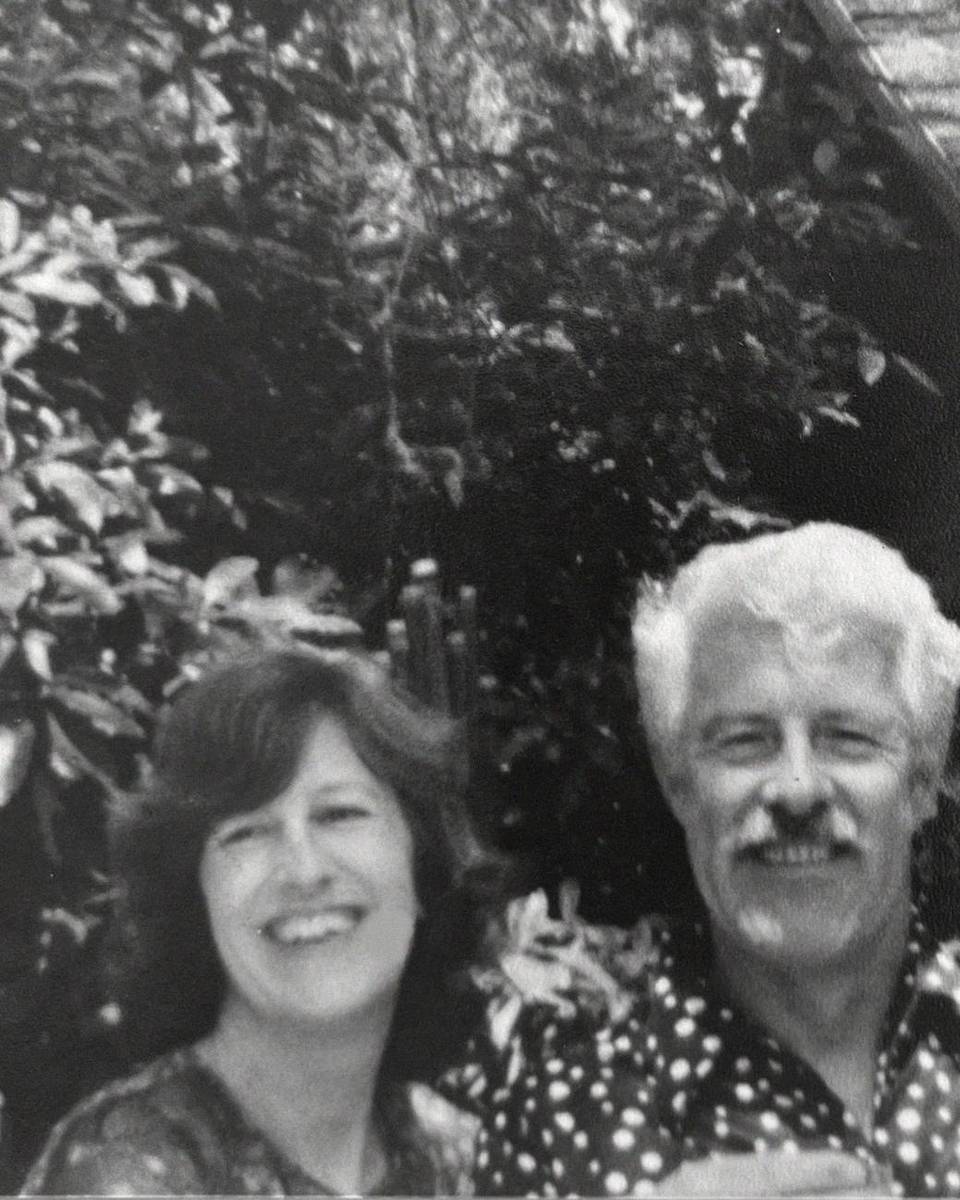
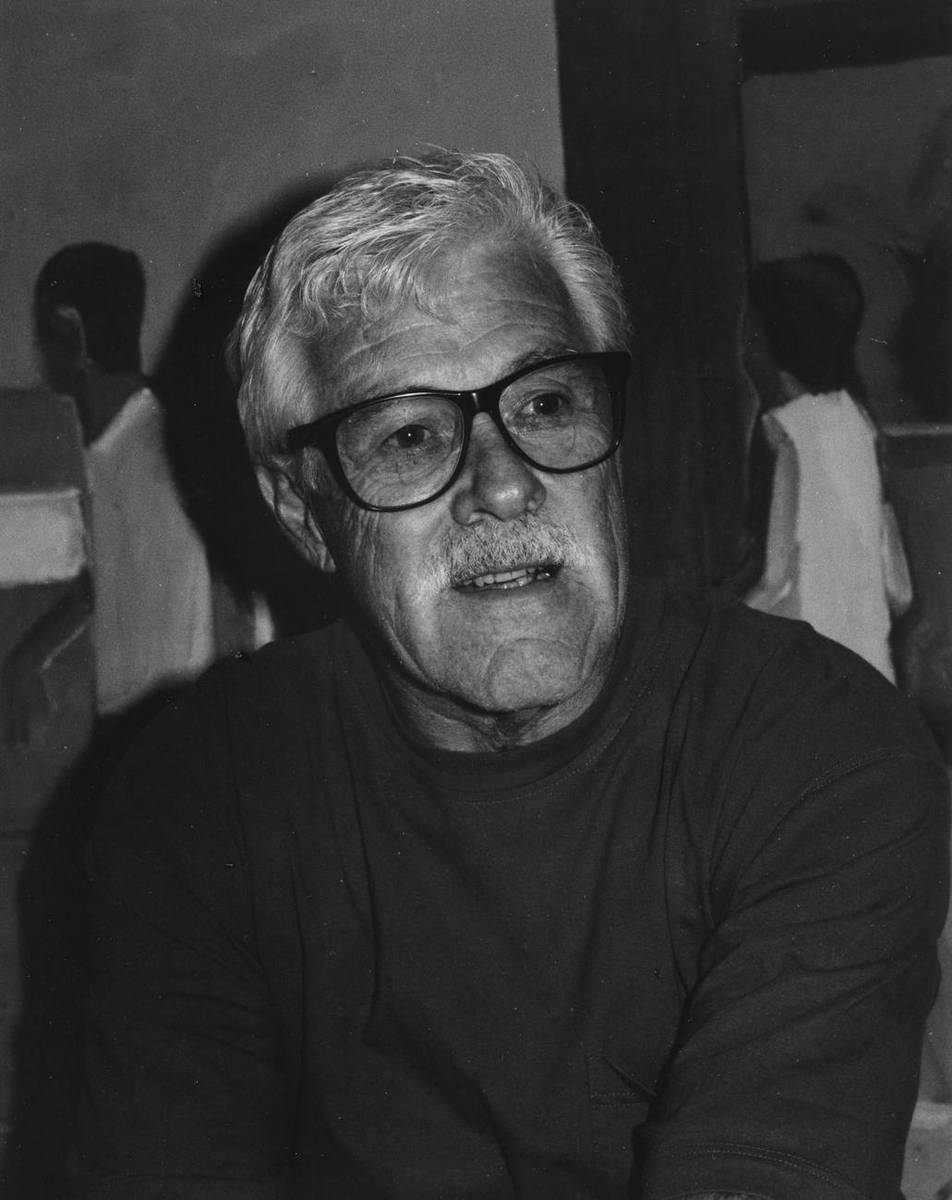
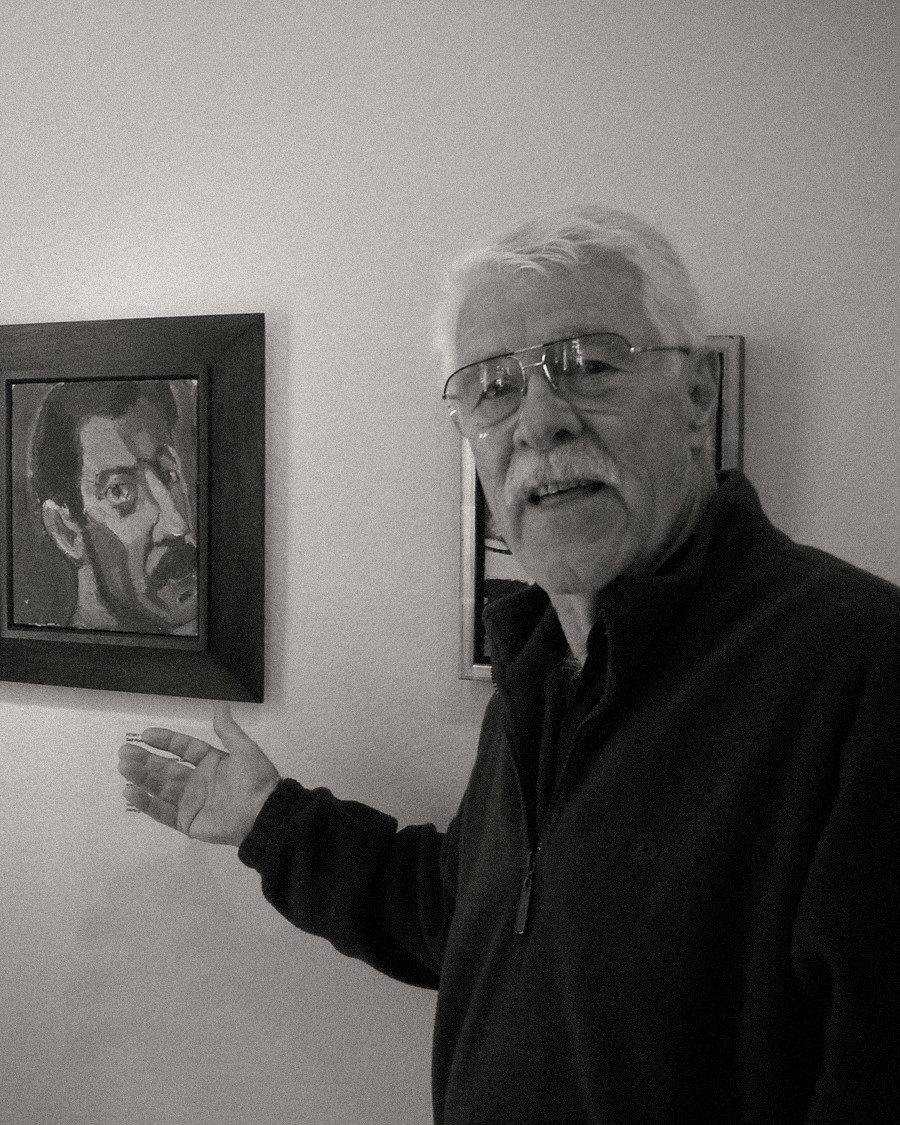
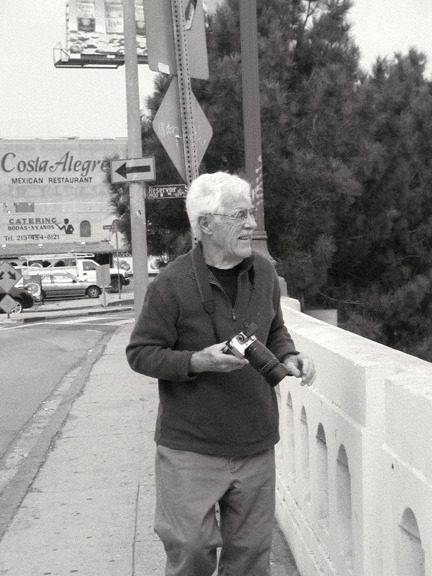
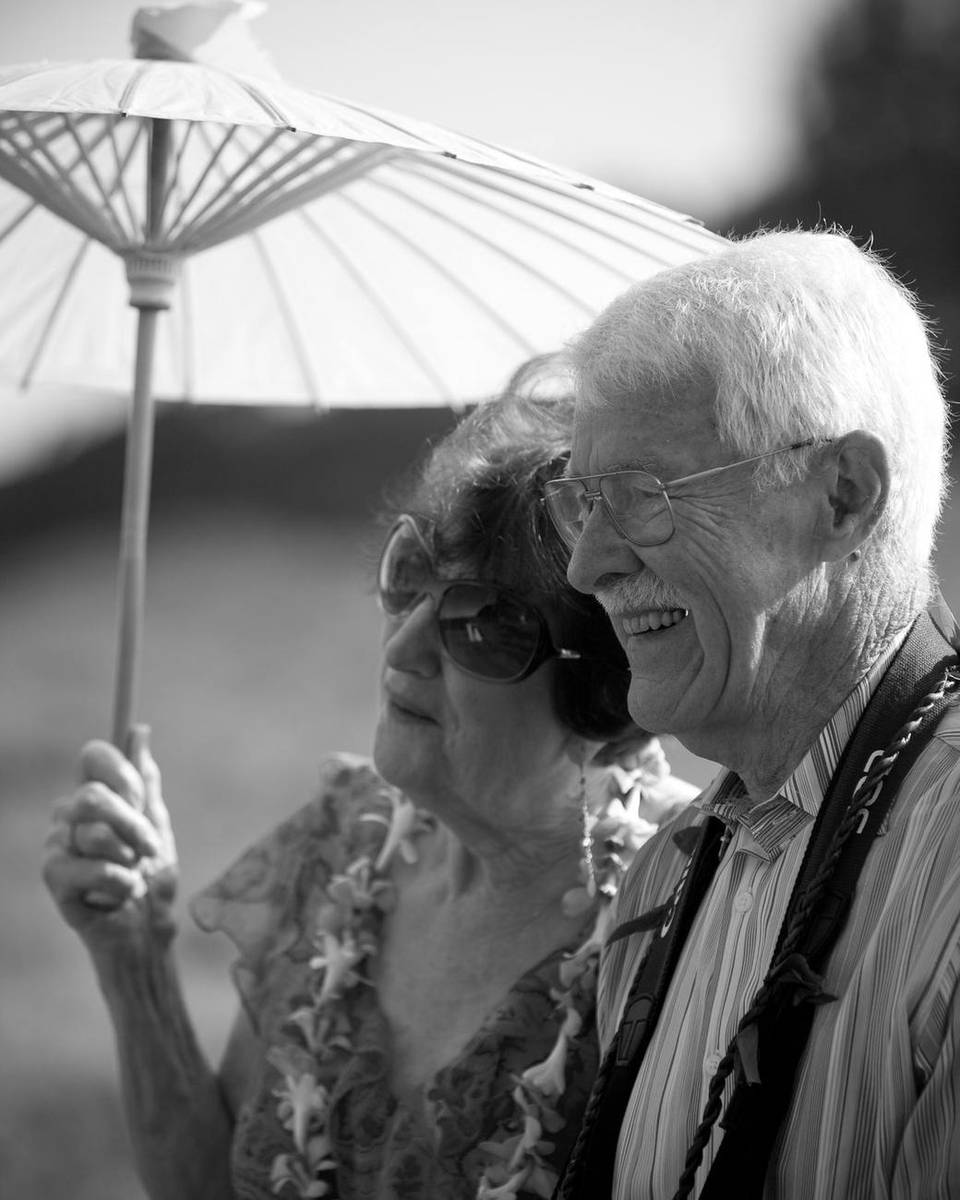
Henry Pierre Villierme was born on August 21, 1928, in San Francisco, the son of Louis Justin Henri Faustin Villierme and Emilia Rusconi. His mother, Emilia, was from San Salvador, El Salvador, and his father was a member of a French family from Lorient, Brittany, who settled in Tahiti, French Polynesia, before eventually moving to San Francisco. Henry and his two younger brothers, Louis and Emile, lost their mother, Emilia, while they were still young, and the three boys were entrusted to their aunt, who raised them within their French family in Tahiti.
During their years in Tahiti, the brothers grew up fluent in French and deeply connected to their father's heritage. Their homecoming came in the early spring of 1939: a ship manifest records ten-year-old Henry, his nine-year-old brother Louis, and their seven-year-old brother Emile sailing from Papeete aboard the MV Hauraki, and arriving at the port of San Francisco fourteen days later, on March 20, 1939. The Hauraki arrived after dark, and the three brothers were awestruck by the sight of the newly built Golden Gate Bridge, illuminated against the night sky, with the lights of the city rising behind it.
Henry, Louis, and Emile Villierme recorded as passengers on the S.S. Hauraki's list of United States Citizens, sailing from Papeete, Tahiti on March 6, 1939 and arriving at San Francisco on March 20, 1939. View ship's manifest · View newspaper article
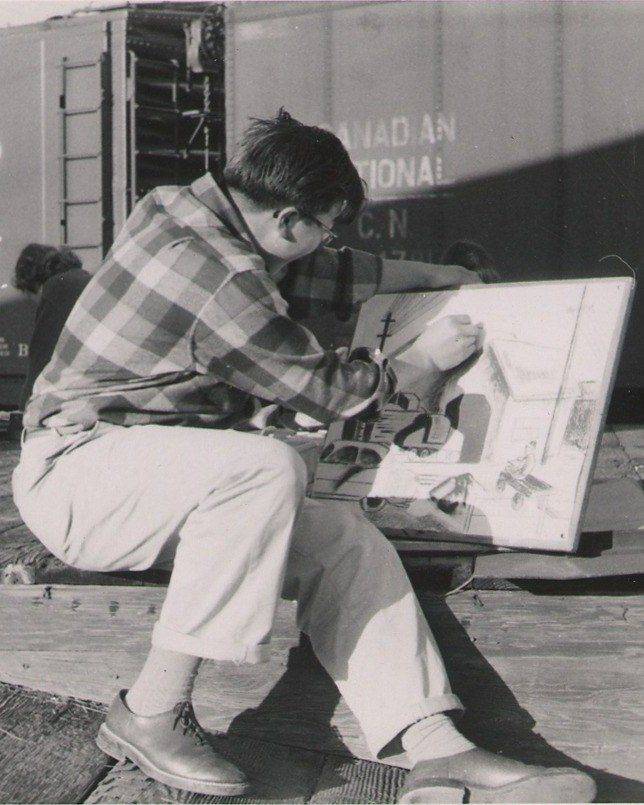
Henry attended Alameda High School, graduating with the Class of 1947, and was an active presence in student life, serving as President of the French Club, the Christmas Pageant, and the Circus Day Committee. His high school years unfolded against the backdrop of the Second World War: Alameda was home to the Naval Air Station Alameda, and its students took an active role in the home front effort throughout the decade. Henry came of age immersed in that same spirit of shared civic duty, one that led him, a few years later, to enlist in the United States Army, while his brothers Louis and Emile enlisted in the Marine Corps, all three serving during the Korean War. Henry went on to serve as a medic on the front line with the 223rd Infantry Regiment, 40th Infantry Division, rising to the rank of sergeant, and his service there earned him the Bronze Star in 1952. After Henry's honorable discharge, he enrolled at the California College of Arts and Crafts, setting the course for the rest of his life.
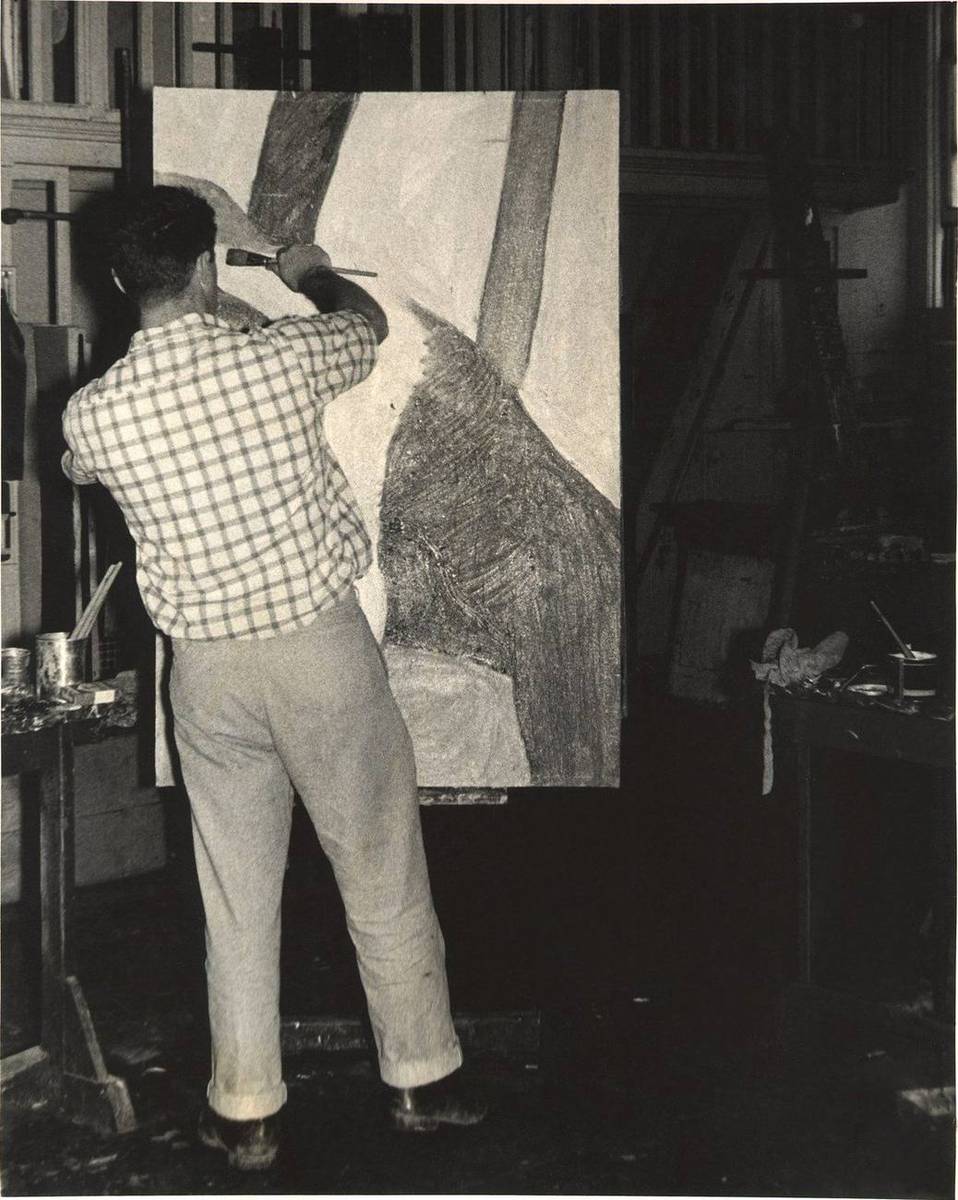
Years later, Paul asked his father why, of all things, he chose painting. Henry didn't hesitate: it went back to art school itself, to the moment… “the smell of oil paint” told him this was what he wanted. He loved color and freedom, he said, and chose Fine Art over the more practical paths of commercial art or teaching, because to him, “painting was everything,” nothing less than freedom of expression.
"The smell of oil paint — painting was everything."
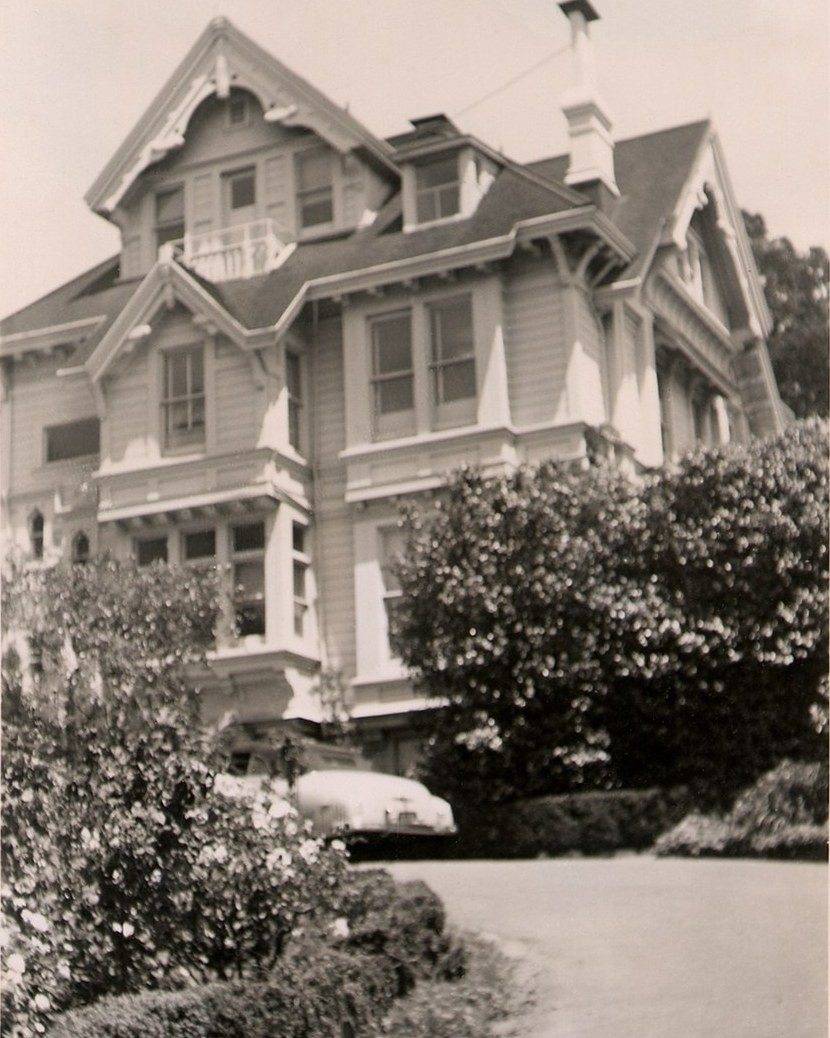
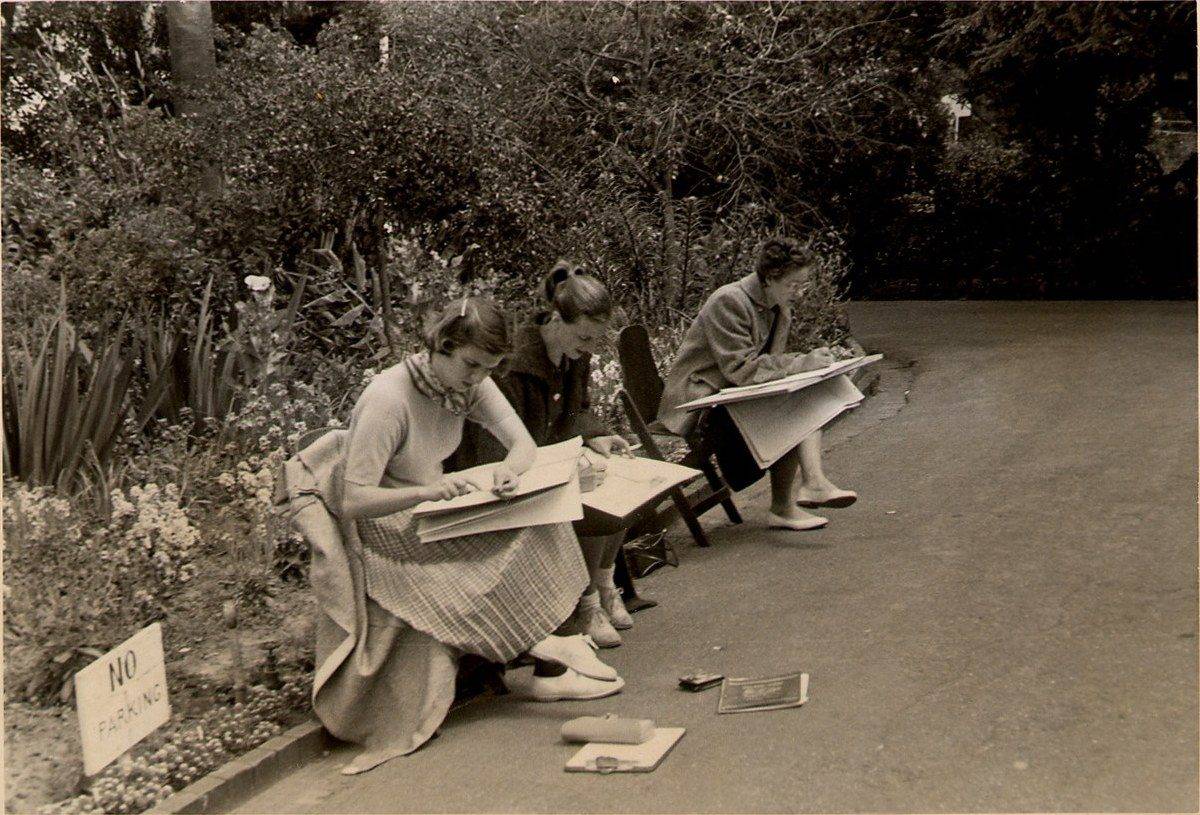
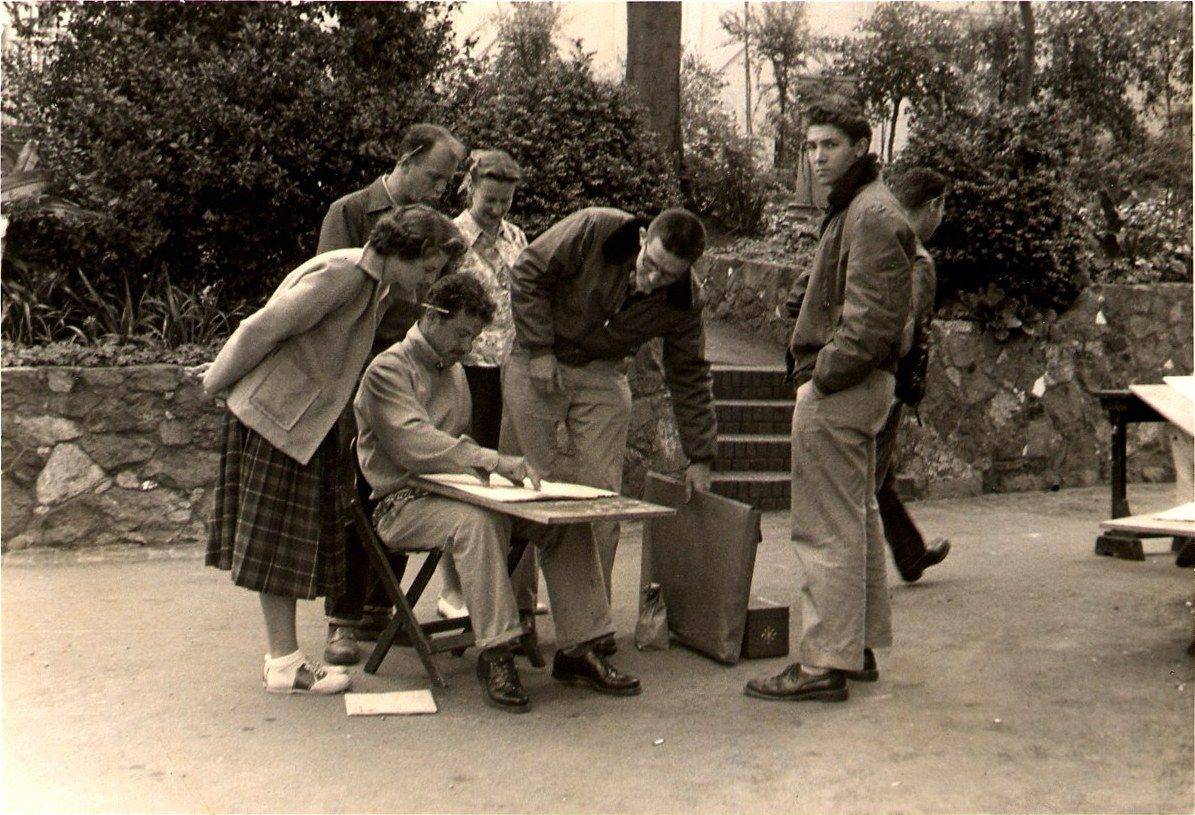
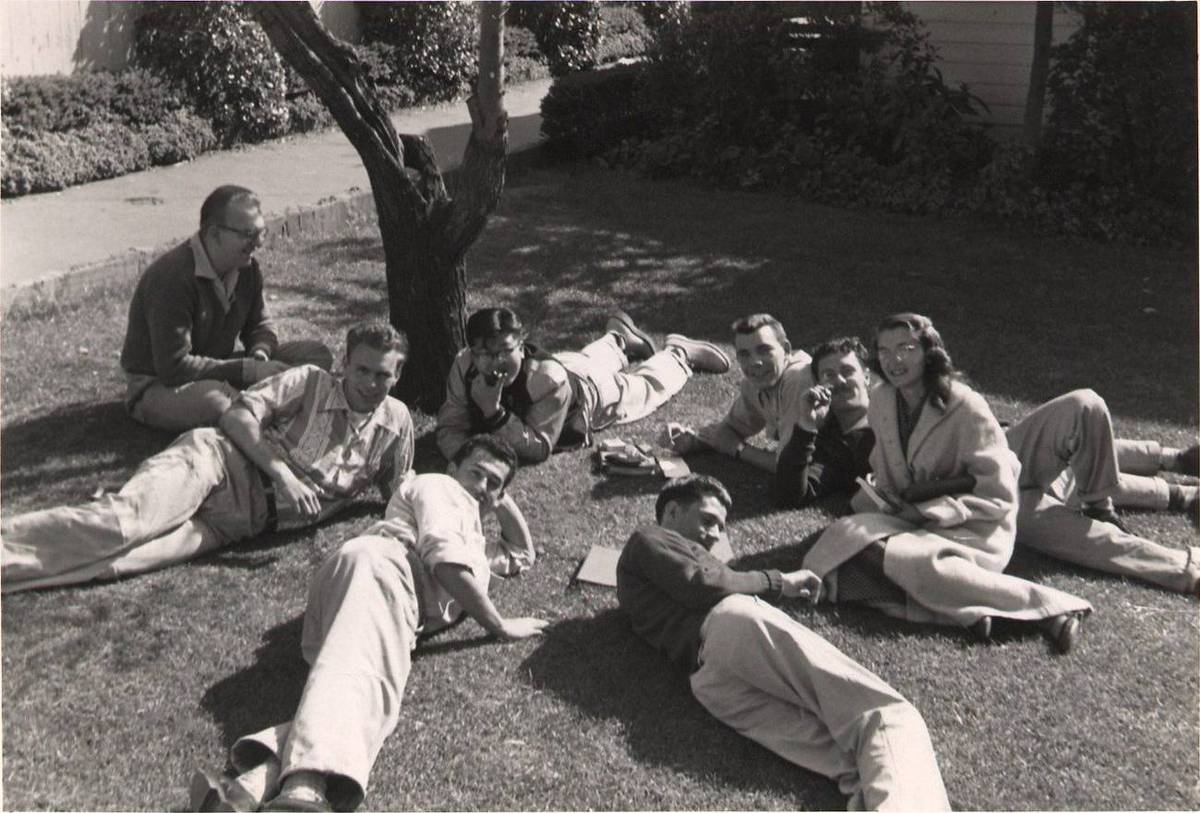
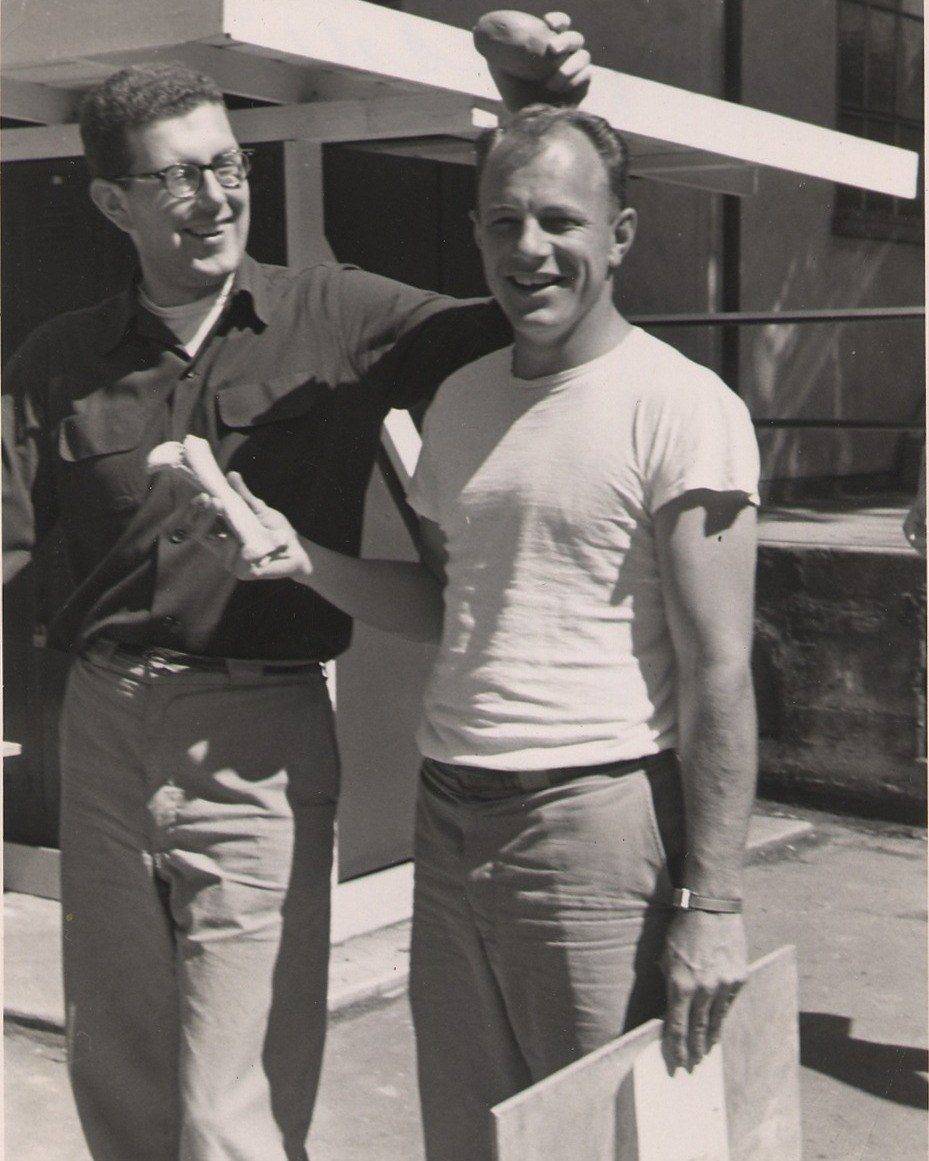
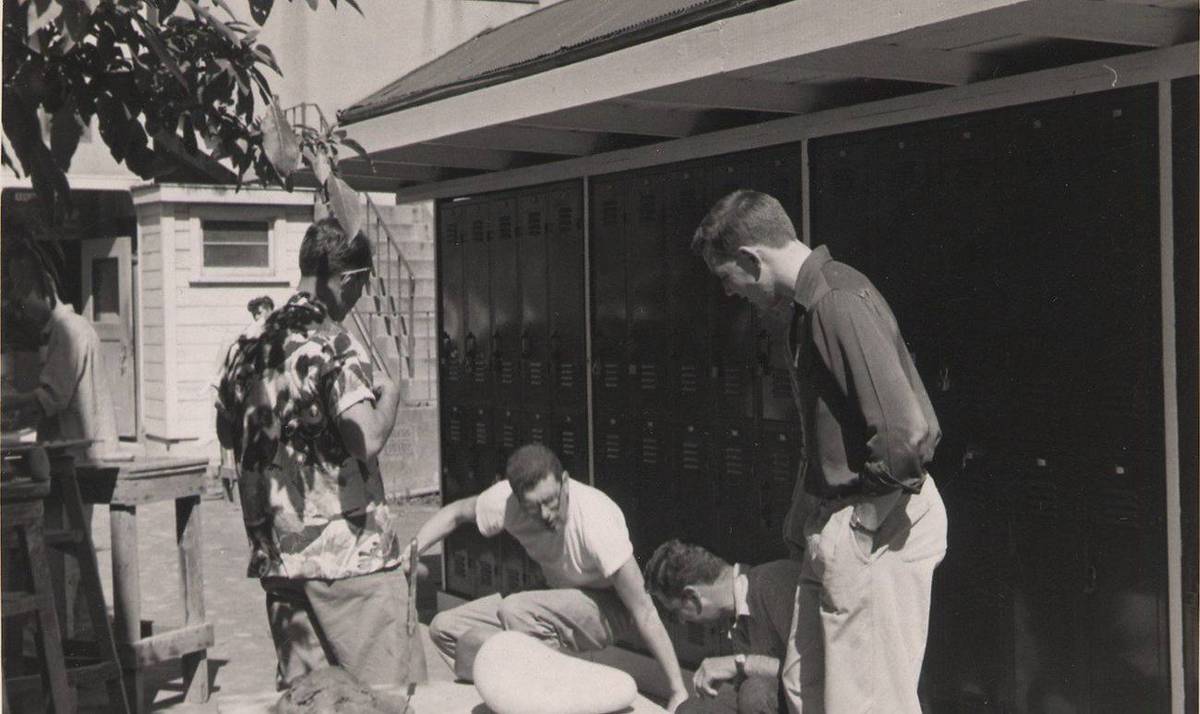
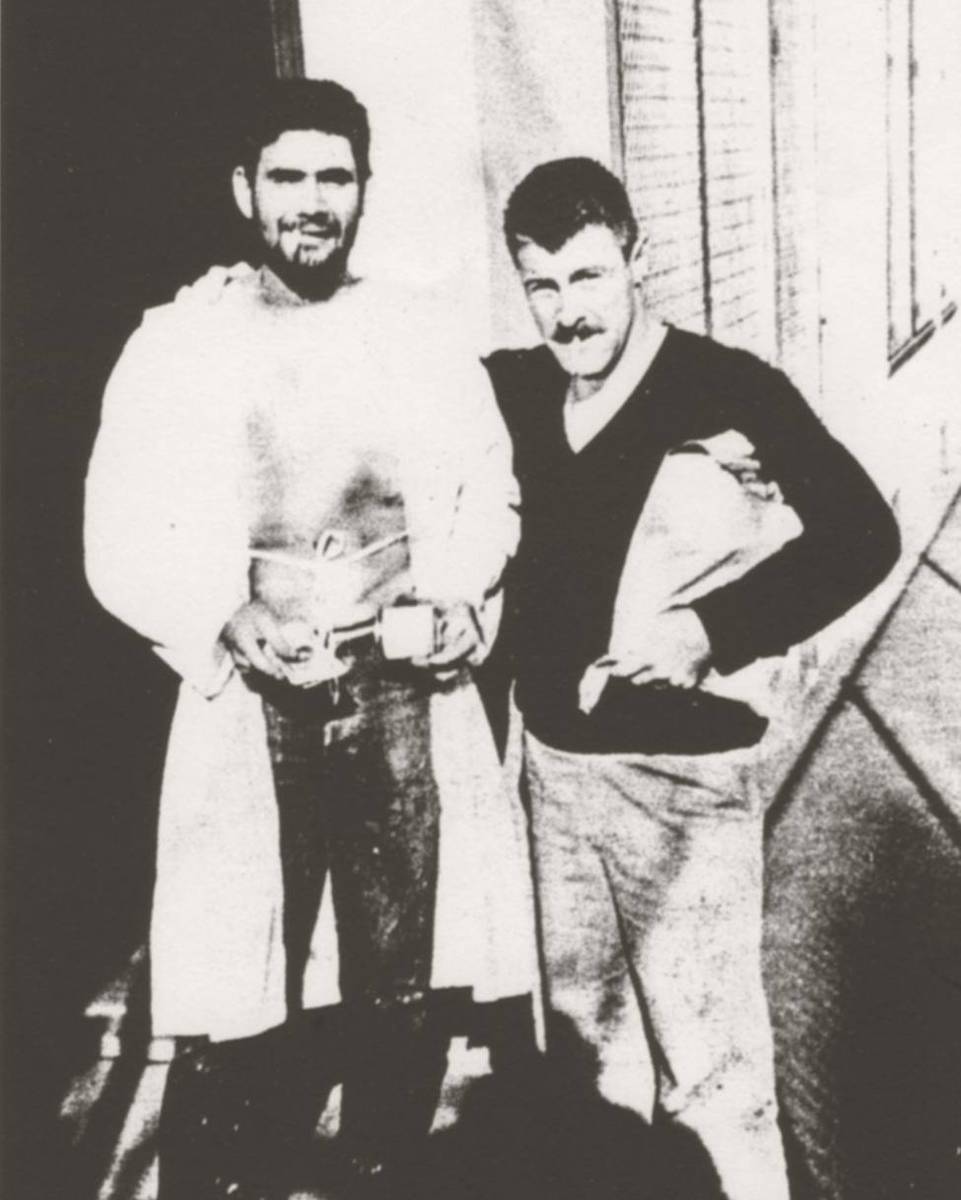
It was at CCAC that Henry's identity as a painter truly began to take shape. He studied under Harry Krell and Richard Diebenkorn, the latter of whom would later remark on Henry's "instinctual understanding" of the art of painting, as well as with the Japanese abstractionist and abstract calligrapher Saburo Hasegawa. Henry later credited his interest in art in part to his early years working in a paint store, mixing interior color schemes, and to the impressions he formed during leave visits to Japan while serving in the Korean War, a brief window, only a few years removed from the Second World War, in which he came away with a personal sense of the Japanese people's deep "concern for art values."
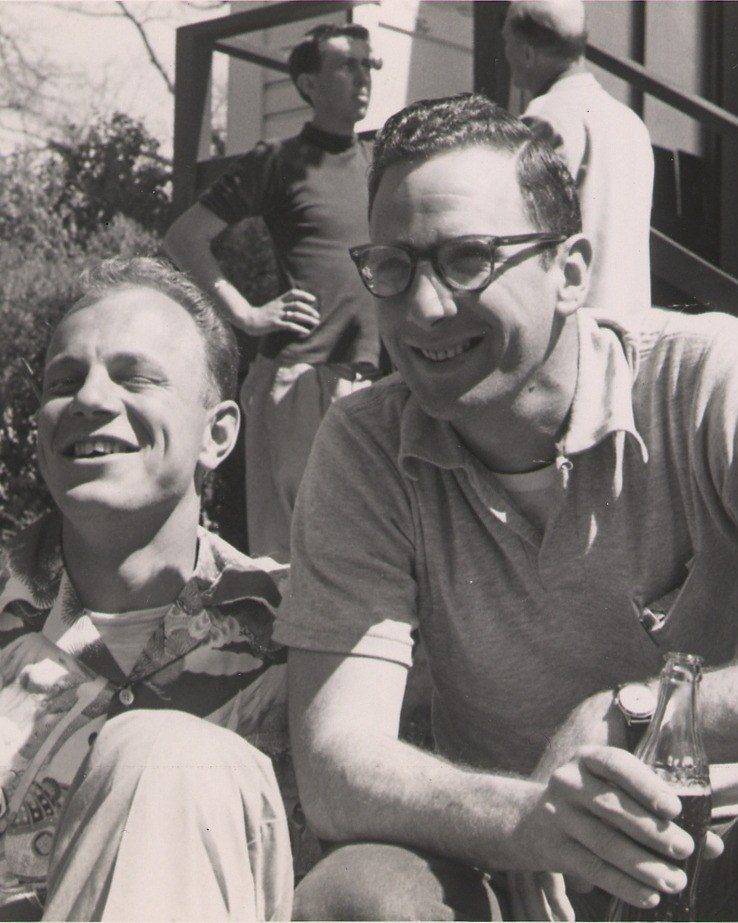
After receiving his Bachelor of Arts degree in painting at CCAC, Henry took a few additional classes at the California School of Fine Arts (later renamed the San Francisco Art Institute), where his teachers included Elmer Bischoff and his fellow students included Robert Downs, Bruce McGaw, and Manuel Neri. It was during this time that Richard Diebenkorn invited Henry to join the Contemporary Bay Area Figurative Painting exhibition, curated by Paul Mills, which opened at the Oakland Art Museum in 1957 before traveling to the Los Angeles County Museum of Art. The show gathered a group of Bay Area painters whose return to the human figure marked a notable departure from Abstract Expressionism.
"Harry Krell was my most inspirational professor; he taught me the relationship between warm and cool colors that is the structure of my paintings. Harry was extremely supportive in class; socially he was a confidant and friend. Diebenkorn told me 'to paint'; Bischoff and Park's paintings influenced me the most in school."
Harry Krell taught both Painting and Drawing at CCAC during the Summer of 1957, the year of Henry's graduation, per the college's course catalog. View bulletin cover · View summer session overview · View morning schedule · View afternoon schedule
It was also at CCAC, in 1953, that Henry met a classmate named Barbara Ann Albers.
"We met at California College of Arts and Crafts when Hank was at school on the G.I. Bill having served in the Korean War. I had transferred from Lone Mountain to study commercial art. Hank studied fine art but we shared design and art history classes. I loved him the moment I laid eyes on him. This was 1953."
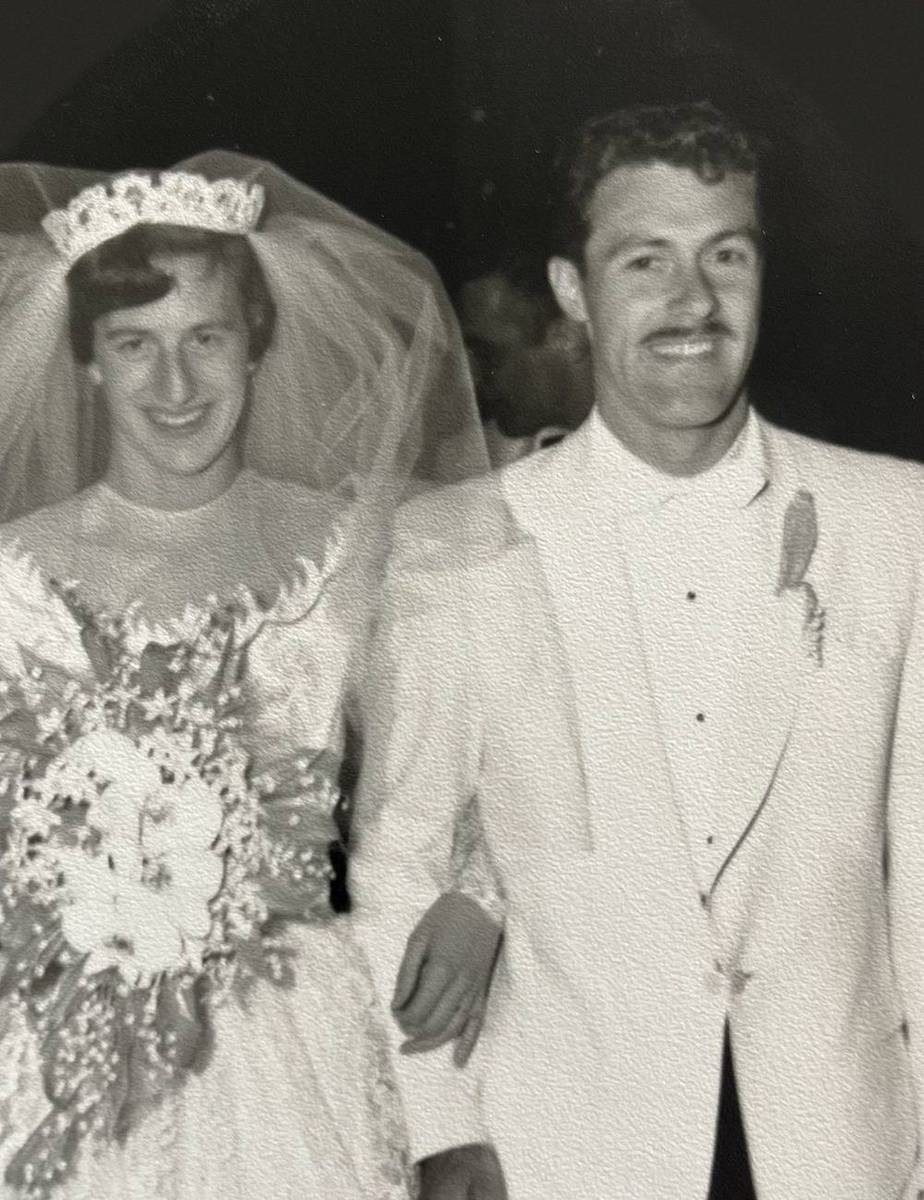
The two were married the following year, in 1954, beginning a partnership that would last 58 years. In Oakland, the young couple ran an ice cream parlor together called Farrin Frosty, even as Henry's painting career was beginning to take off.
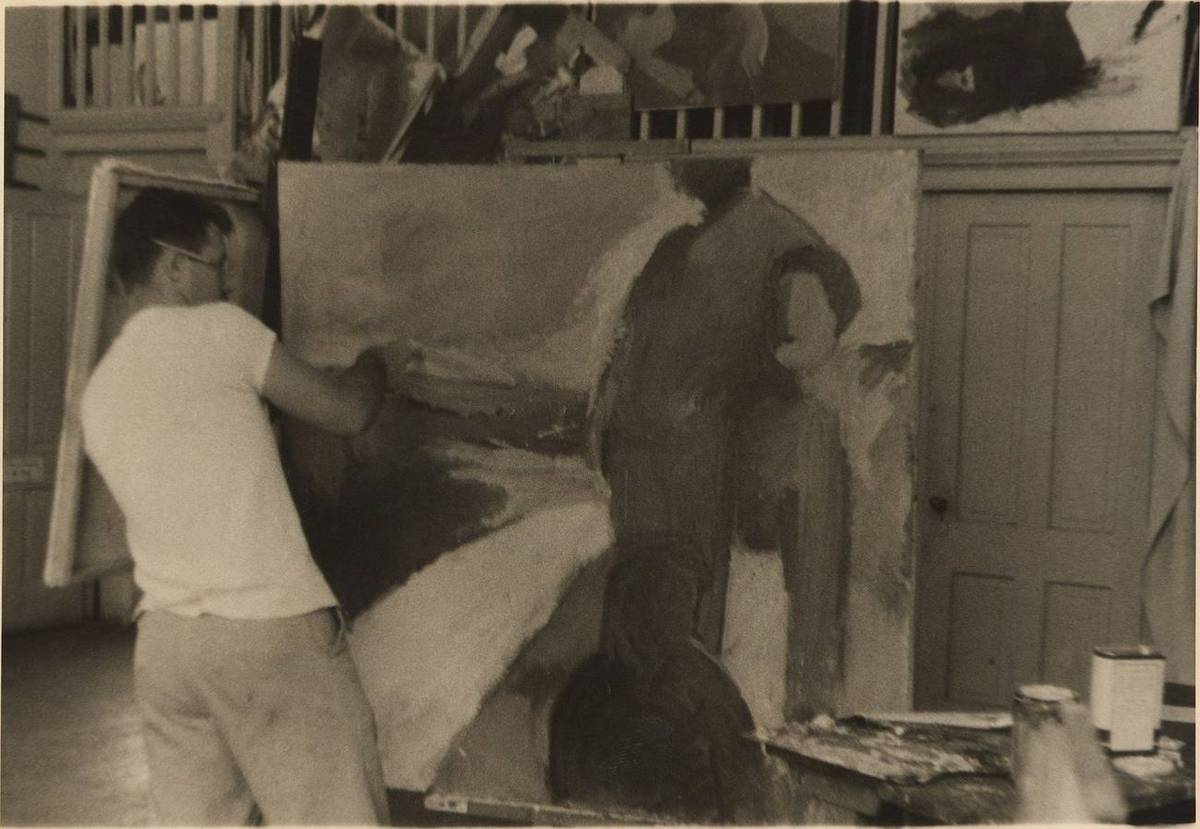
While they were still newlyweds, both Henry and Barbara Villierme attended CCAC. Henry worked several jobs, including night shifts, and spent what free time he had painting in the studio. Barbara later recalled how much she treasured simply being near him during those years. She would come to the studio with a blanket and a book or two, content to be there, together, while he painted. Their lives were full and demanding at the time, but that shared time together remained precious.
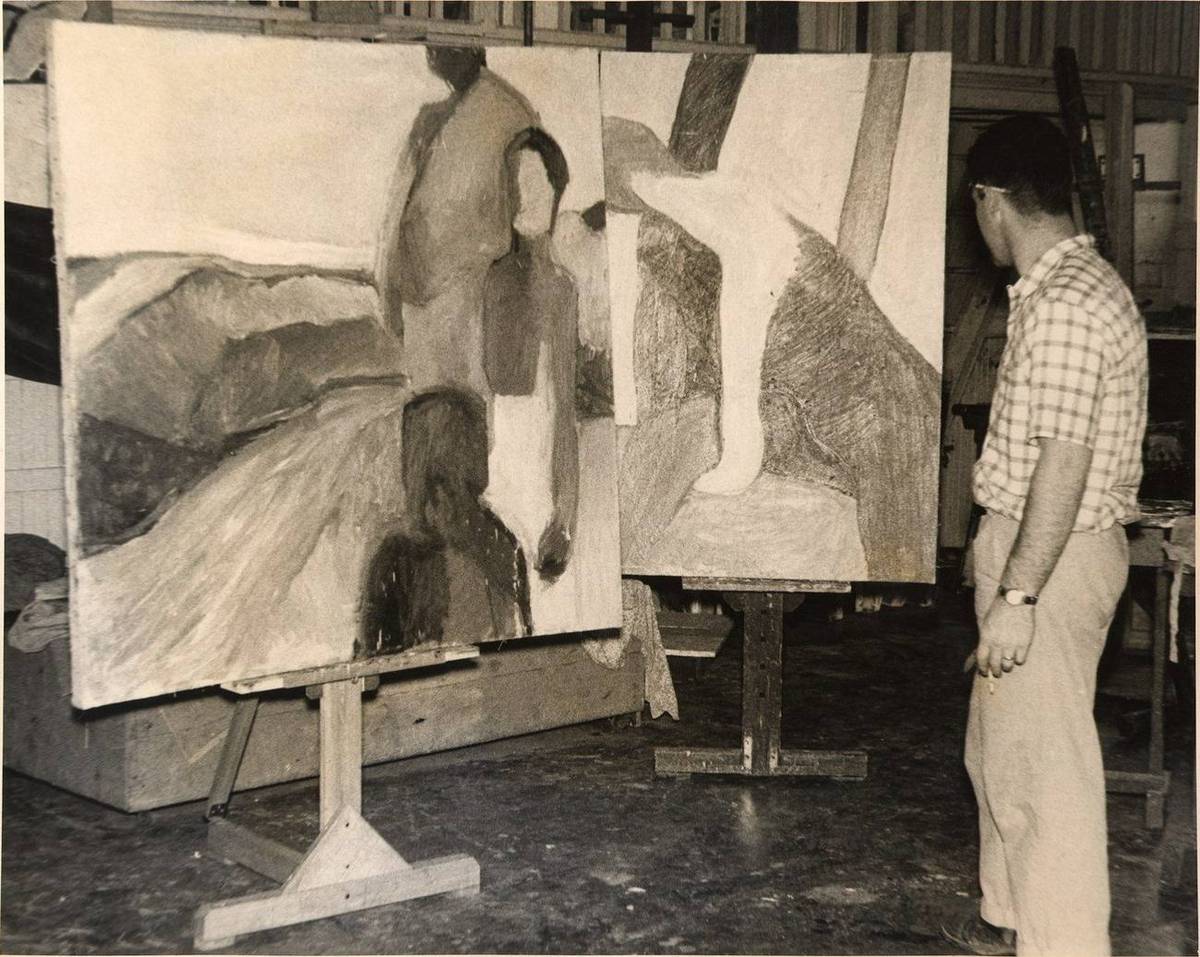
Henry continued on at CCAC after receiving his B.A., completing the full curriculum for a Master of Arts in painting alongside classes at the California School of Fine Arts. He never submitted the required written thesis, spending his available time in the studio painting instead.
Those early years as a painter brought Henry quick recognition. In August 1957, he won Second Award at the Jack London Square Art Festival for his painting Highway. That November, his painting Lake View took First Place at the 7th Annual Exhibition of Oil and Sculpture at the Richmond Art Center, in a field that also gave honorable mentions to Richard Diebenkorn, Nathan Oliveira, and David Park. He was soon invited to exhibit in The Next Direction, a show sponsored by the Oakland Art Museum that also featured work by Bruce McGaw, David Park, Elmer Bischoff, and Richard Diebenkorn, and in 1958 he won a prize at the Los Angeles County Museum's Annual Exhibition of Artists of Los Angeles and Vicinity for his piece Landscape. In January 1959, his painting Seascape was included in the Oakland Art Museum's annual juried California Painters Exhibition, judged that year by Max W. Sullivan, newly appointed director of the Portland Art Museum. His work was also shown at the M.H. de Young Memorial Museum and the San Francisco Museum of Art (renamed the San Francisco Museum of Modern Art in 1975).
Diebenkorn, reflecting years later on Henry's decision to eventually leave the Bay Area, admitted that "of all the painting students at the California College of Arts and Crafts who might have abandoned his direction, Henry was one whose defection could hit me the hardest." Henry's path had already crossed with Vincent Price once before: in September 1957, Price's own collection of old and modern drawings was on exhibit at the Oakland Art Museum, the same museum and month as Contemporary Bay Area Figurative Painting, the landmark show that first brought Henry's work before the public. View newspaper article Henry's standing among his peers was further affirmed in 1959, when actor and art collector Vincent Price, in his book I Like What I Know: A Visual Autobiography, named a group of American painters he considered "better than good, and a few who are great": Pollock, Rothko, Motherwell, Kline, Parks, Villierme, de Koening, and Diebenkorn (Parks and de Koening reproduced as printed in the original, almost certainly meaning David Park and de Kooning).
In the late 1950s, Henry and Barbara left the Bay Area to begin raising a family of their own, settling first in Los Angeles, California. In 1973, a job transfer brought them to Ojai, where they made their home and later welcomed a fourth child. Henry worked for Foremost Dairy before taking a position as a painter at The Thacher School, where he remained until his retirement at age 70. He loved the school's beautiful campus and the energy of its students and faculty.
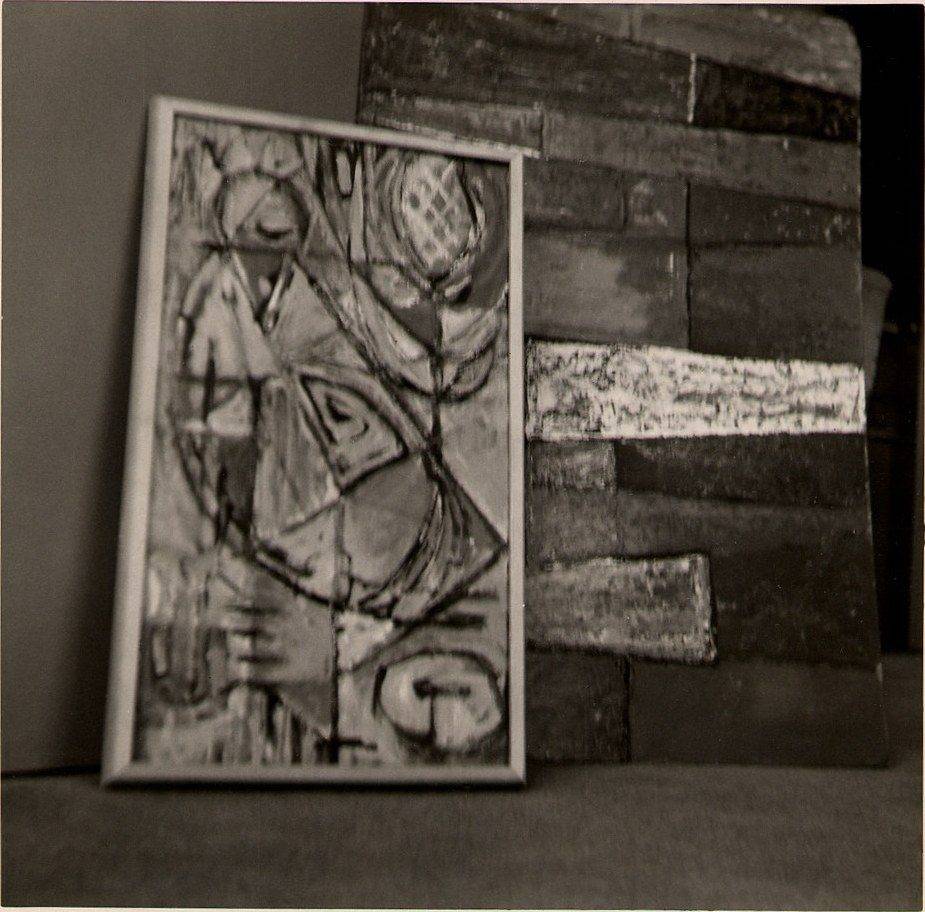
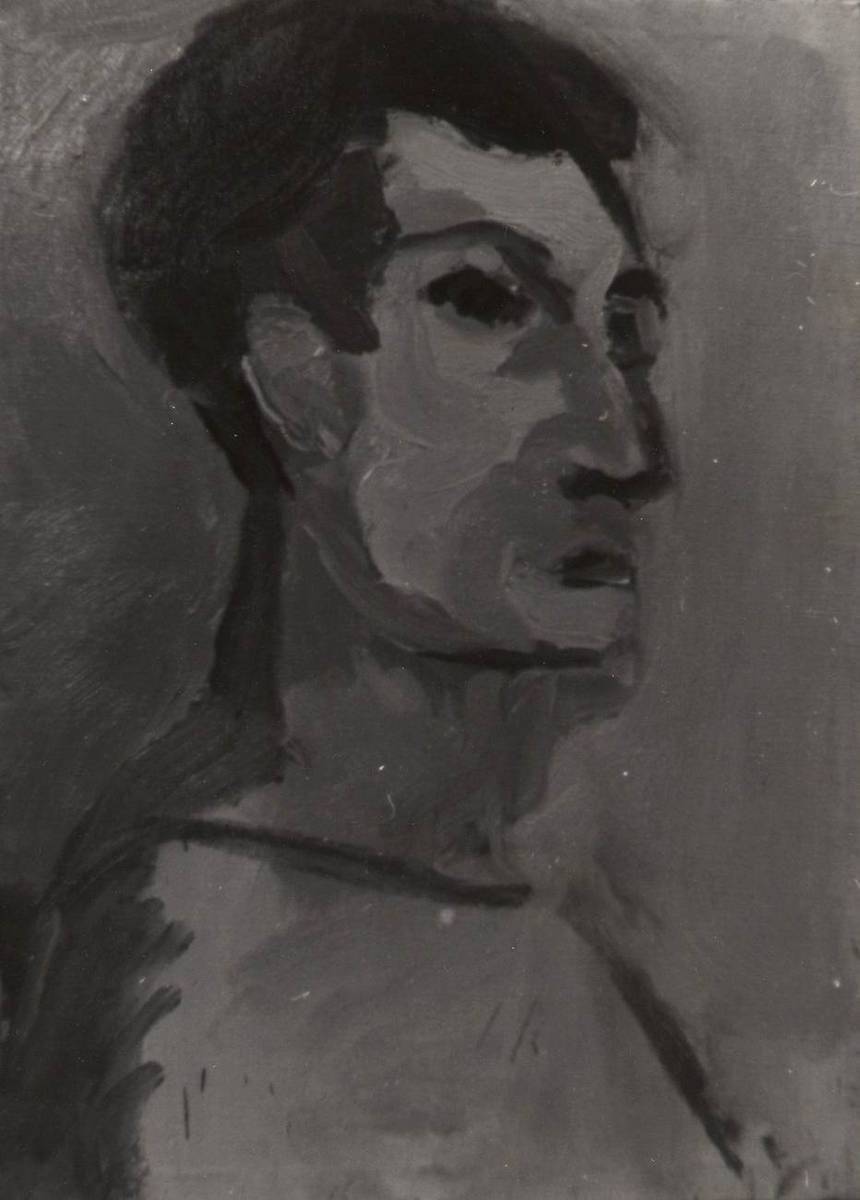
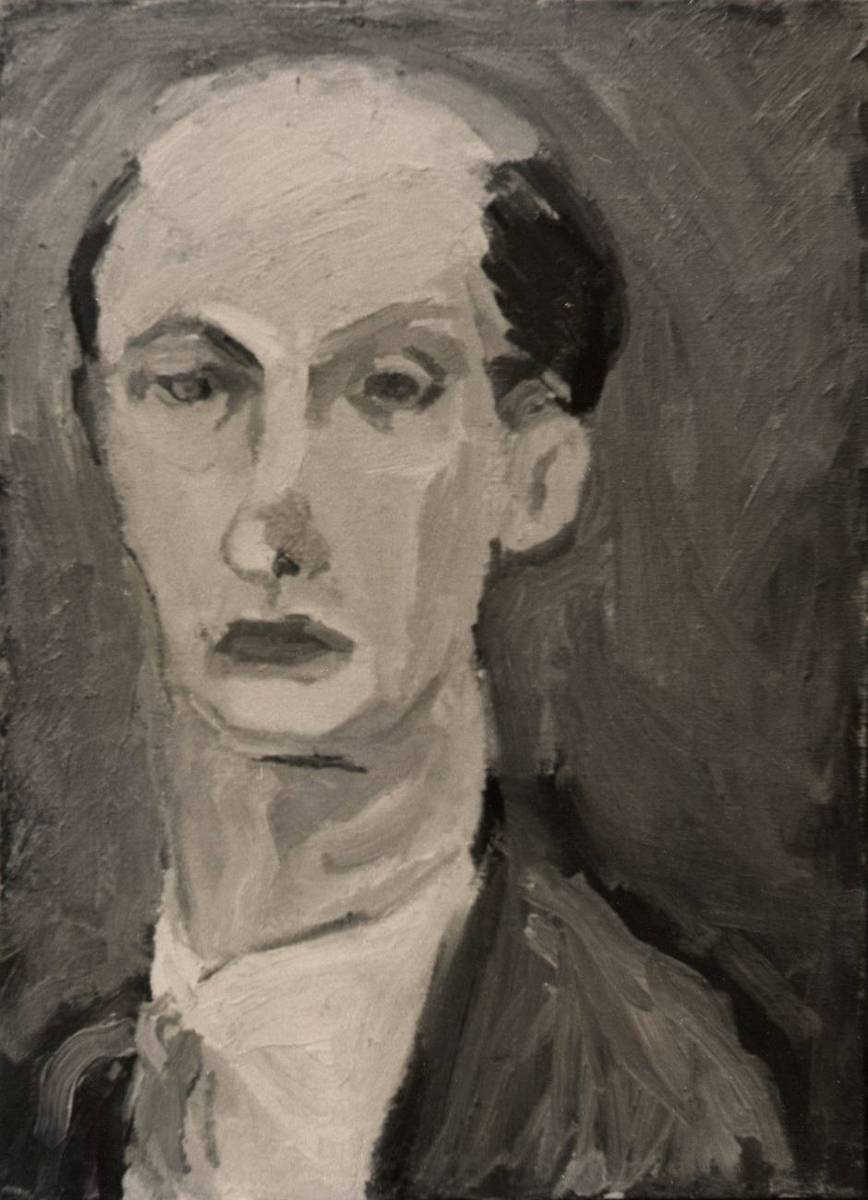
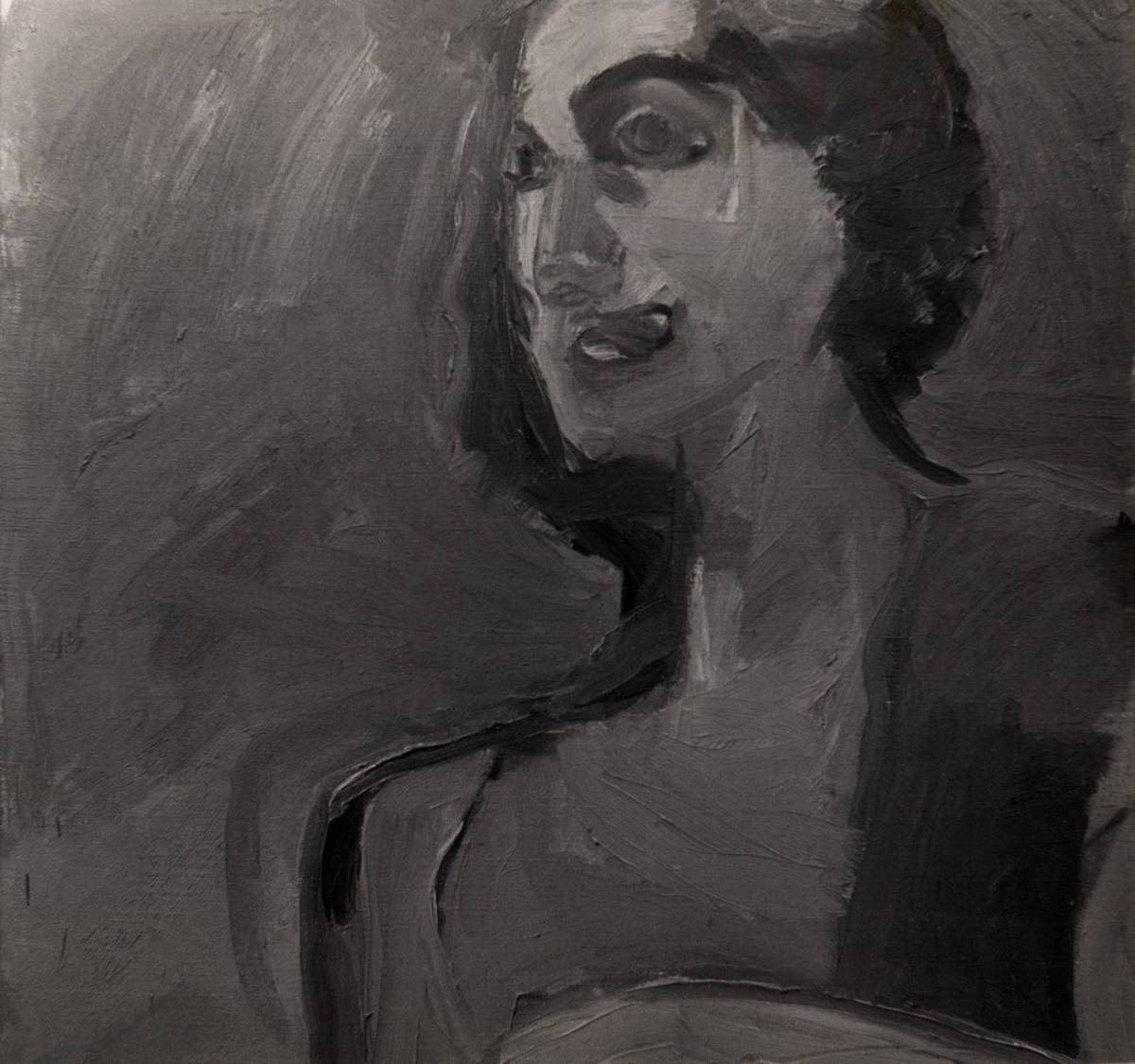
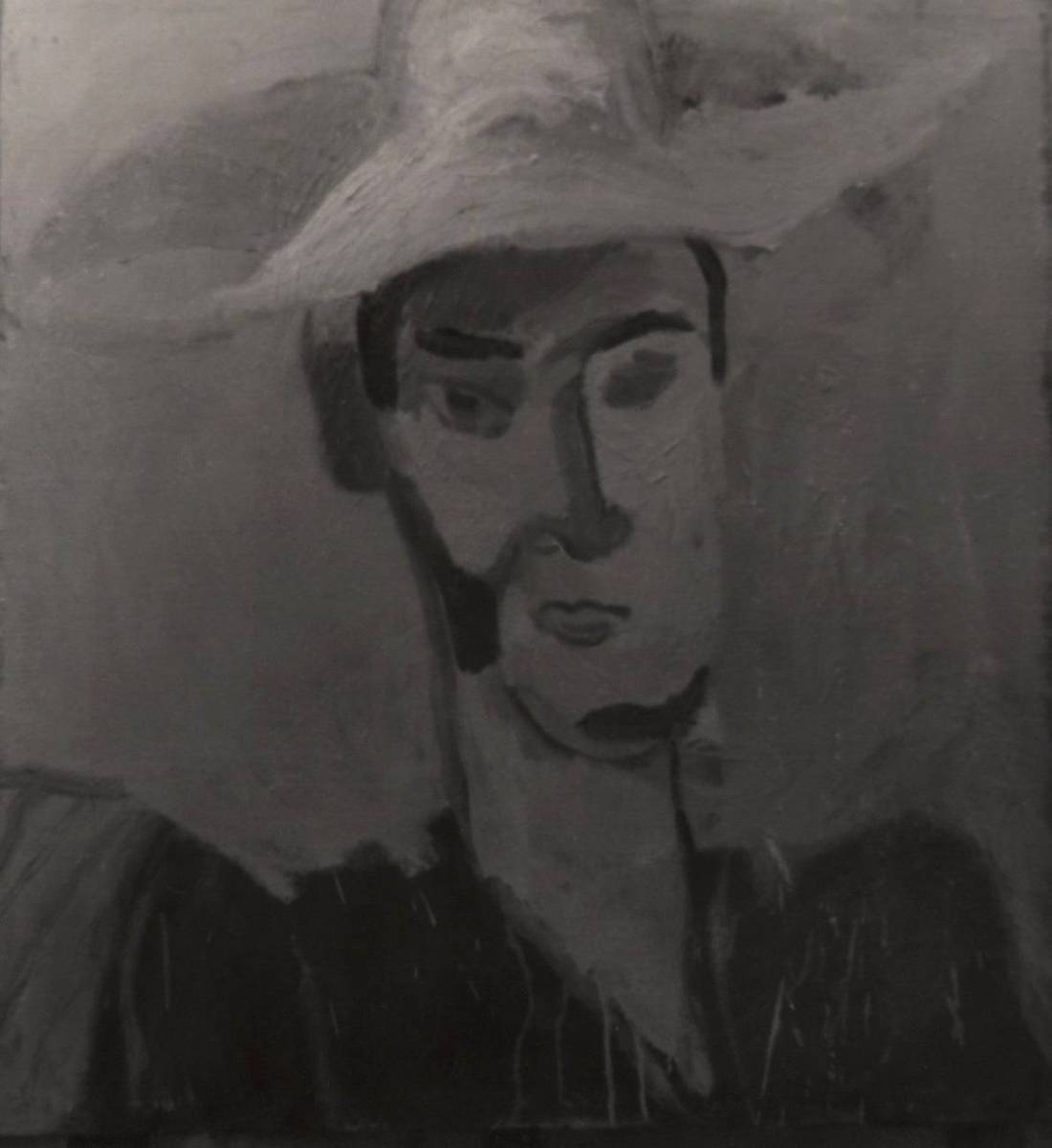
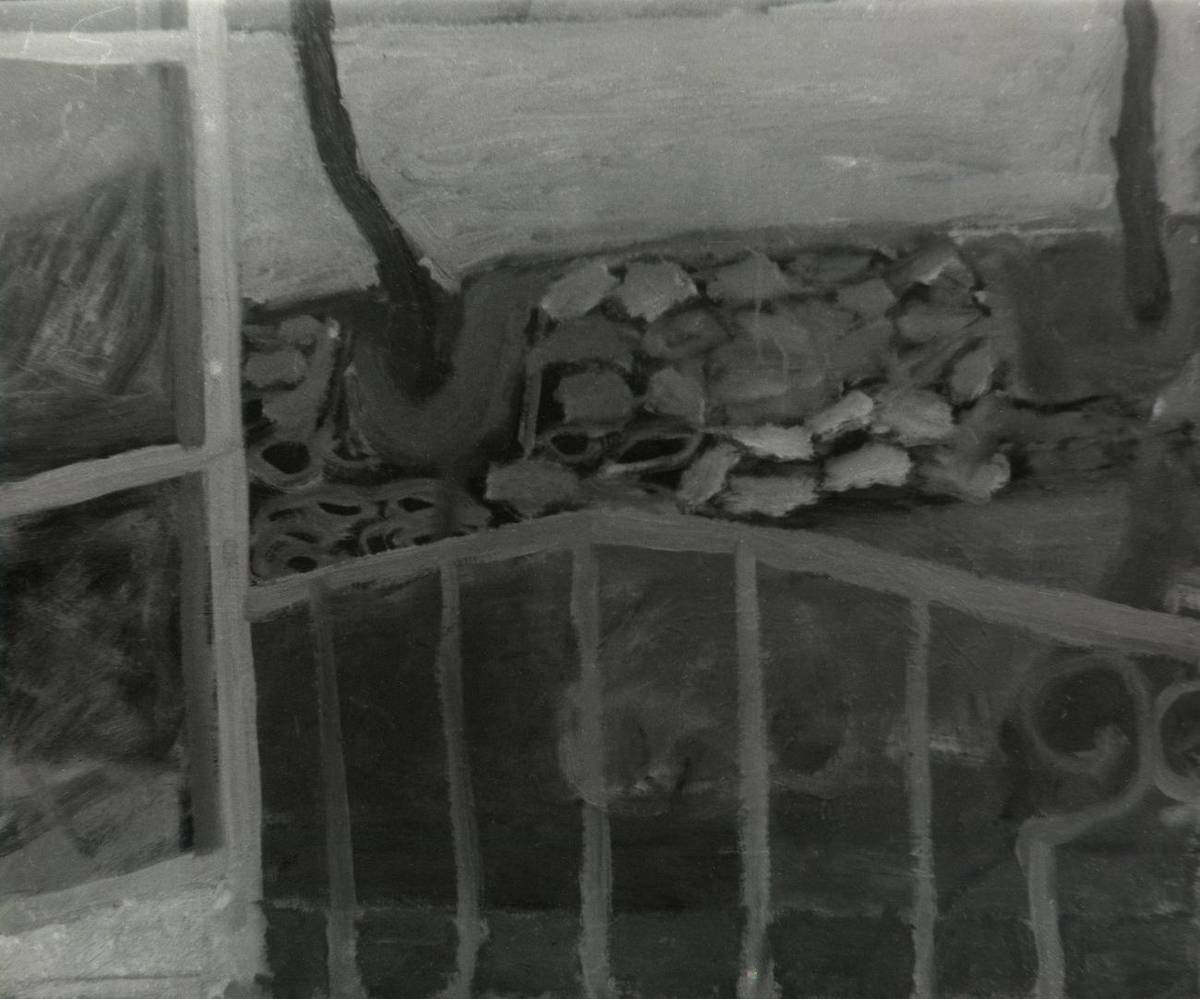
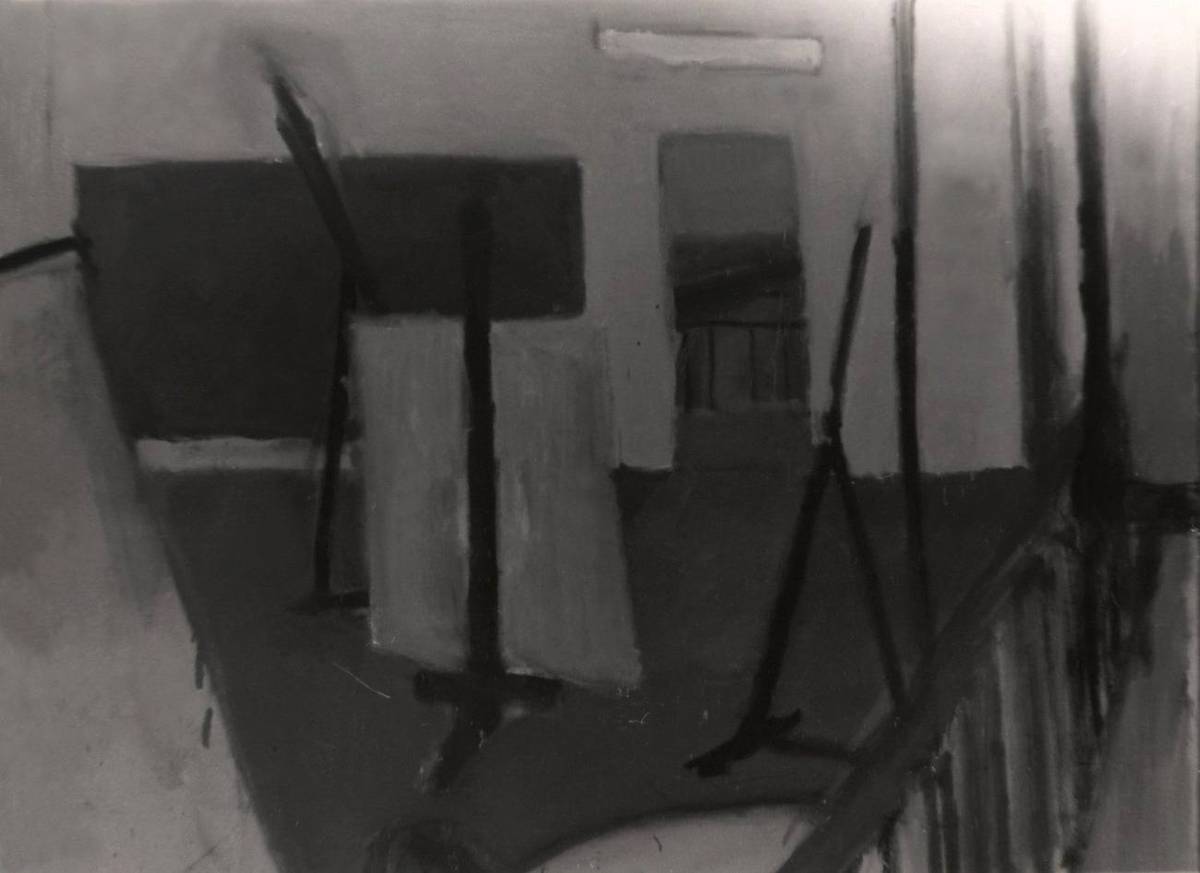
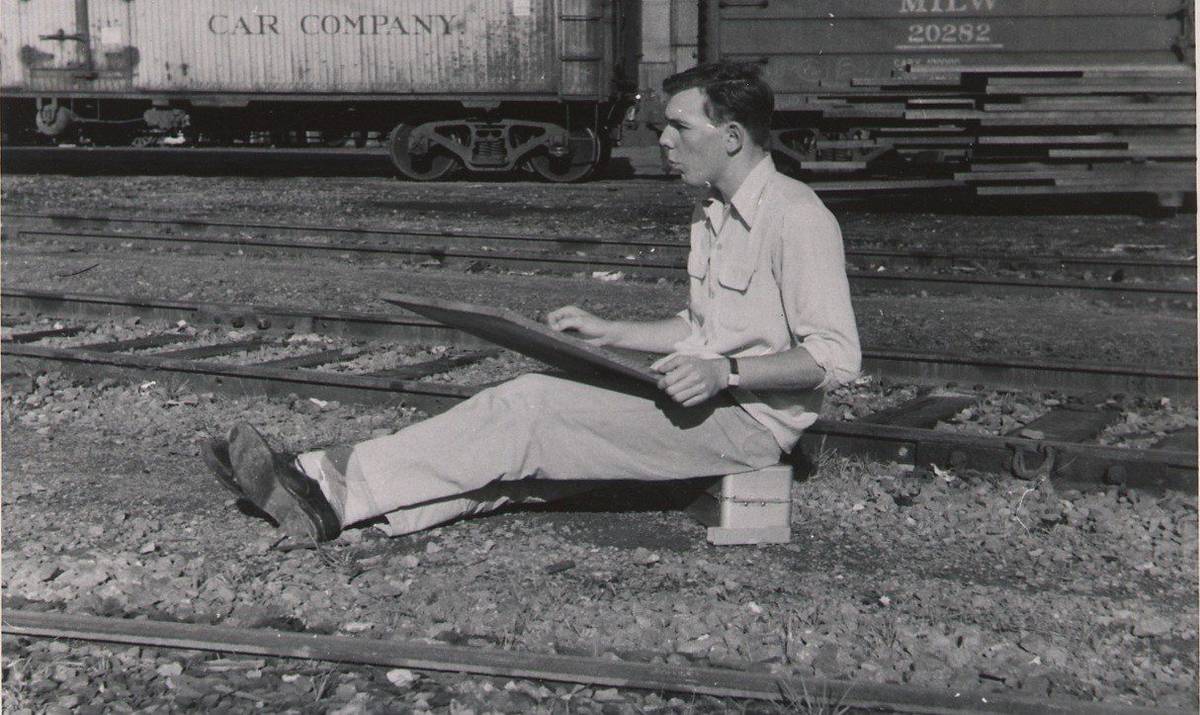
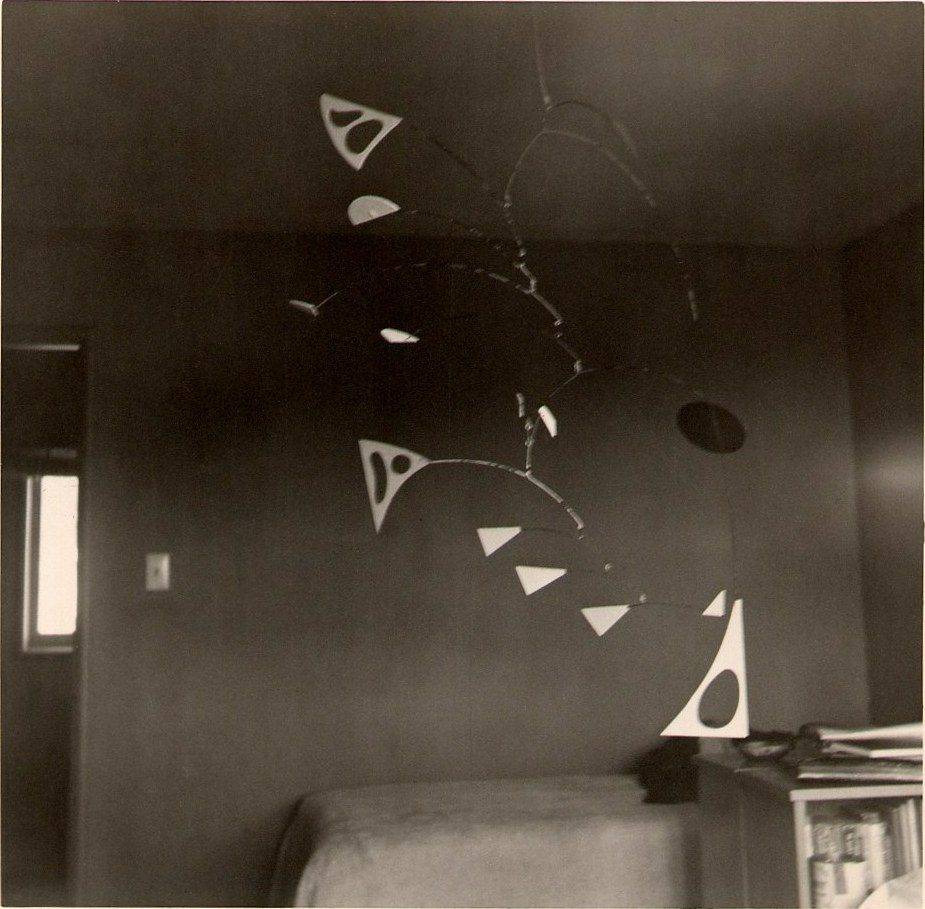
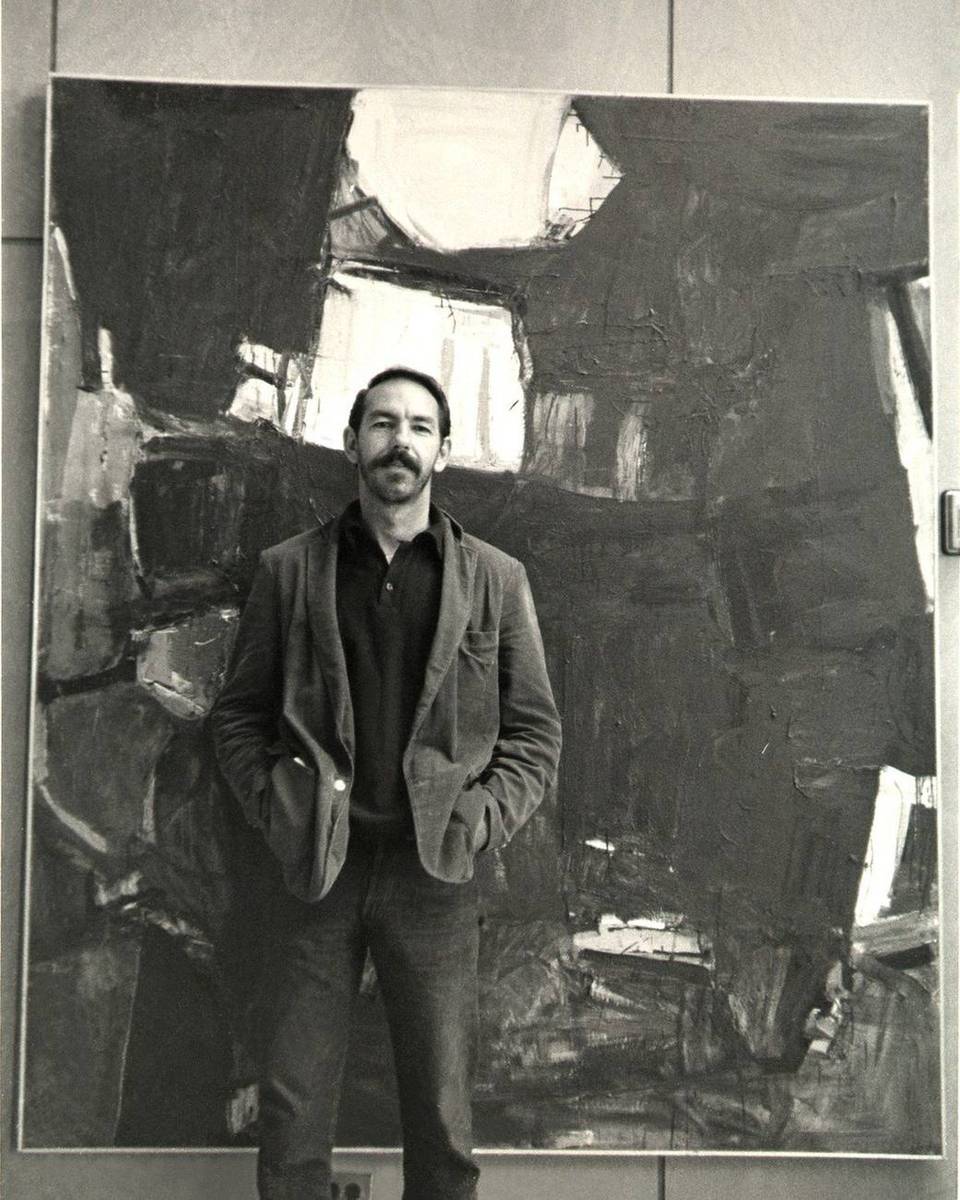
Even while raising his family and working at Thacher, Henry never stopped painting and sculpting in his studio through the 1970s, and 1980s. His mature work is often realistic in style, most frequently depicting the landscapes of California's Central Valley, though he was also known for portraits and still lifes rendered on small, one-square-foot canvases. His method was a patient one: he would sketch or photograph on location, then set the sketches or photographs aside, an approach often described as pointillist and cubist in its sensibility. In 1992, Diebenkorn paid tribute to his former student, saying that Henry's "painting had, and still has, instinctual understanding of that universal human activity in which colors are applied to a surface."
Years later, Paul asked his mother a simple question: what does his father's work mean to her? Barbara's reply:
"Dad's work means everything to me. I love and support him in his endeavors as an artist. Yes, I have my favorite paintings, but I value all of them because I've witnessed their progress. Dad would not be the father he is to you and the husband he is to me if he didn't paint. He honors his work — by that I mean he takes great care to see the work to completion, every step of the way; each color, shape, line, and dimension, and composition is thought out."
"Not only was Hank a handsome, likable young man, he ran with the serious artists' crowd, and that made him attractive to me. We socialized with Bruce McGaw and Harry Krell and their peers, and entertained professors and friends at our little apartment in Oakland. That was a 'heady' time in my life. Hank was well-known and well-liked, and I was on his arm!"
None of this — the photographs, the letters, the artifacts that fill this website — would exist if Barbara hadn't saved them. From Henry's first show, throughout his career, she was the one filling out the entry forms and keeping track of the submissions. Her work was acknowledged in the 1966 letter from the Downey Museum of Art, addressed to Henry Villierme care of Mrs. Albers, her maiden name. She nurtured the family, holding it all together. Her steadfastness to Henry's painting was eclipsed only by her love of him and their children. She gave Henry the time to paint. Henry knew it, and he'd often say none of this would be possible without Babs! This was Henry's name for Barbara, and in turn, Barbara's name for Henry was Hank.
In 1987, after decades of comparatively quiet, private work, Henry recommenced showing his paintings publicly, with an exhibition of seventeen paintings at The Ojai Art Center. In the years that followed, his work was shown more widely still: in 2006, his paintings were featured in the Bay Area Figurative 1950s and 1960s exhibition at the Bolinas Museum, a fitting recognition of his place among the "Second Generation" of the Bay Area Figurative Movement.
Henry Villierme passed away on March 13, 2013, leaving behind a legacy as a devoted husband, father, and grandfather, a decorated veteran, and an artist whose instinctual gift for color and landscape was recognized by peers and mentors alike throughout his long life. In February 2016, one of his paintings was placed on view at the Crocker Art Museum in Sacramento, part of the museum's ongoing Bay Area Figurative galleries collection installation, a quiet, continuing presence in the movement he helped define.
Henry has exhibited his work at the Oakland Art Museum, the Los Angeles County Museum of Art, the San Francisco Museum of Art, the de Young Museum, the Downey Museum of Art, the Laguna Art Museum, the Crocker Art Museum, and the Bolinas Museum, and his painting Coming In is held in the permanent collection of the Institute and Museum for California Art (IMCA) at UC Irvine, as part of the Buck Collection. See the full exhibition history.
In My WordsMy father had it. I am so thankful that he was my father and friend. Those of us who knew him, and even those who only met him briefly, could sense his passion. Hank had it.
Dad was a painter, and in his own words, he would never call himself an artist. He was a painter. That might sound like semantics to some, but to him, it was as real as the air we breathe. As a painter, he didn't wax poetic about the past or accolades. He was more excited about what lay ahead, what's next, questioning, and working on the next canvas. When Dad was in the studio painting, he was working, you could feel it, and he had it.
Thank you, Dad, for your friendship, trust, and sharing your wonderful eye.